
Dog Training Cost by Type of Training
The format you choose matters far more than your dog’s breed or size. A group class costs a few hundred dollars at most, while a multi-week board-and-train program can cost more than the dog did.
| Training type | Typical cost | What you get |
|---|---|---|
| Puppy or basic obedience group class | $120–$300 per course | Usually 6 weekly 1-hour sessions with 4–8 dogs |
| Single drop-in group class | $20–$75 per class | Pay as you go at some clubs and independent schools |
| Private lesson | $70–$150 per hour | One-on-one, at home or at the trainer’s facility |
| Private lesson package (4–10 sessions) | $260–$900 | Common for leash pulling, jumping, reactivity |
| Board and train | $500–$1,250+ per week; $1,000–$5,000 total | Your dog lives with the trainer for 2–5 weeks |
| Online course or subscription | $20–$200 (some $500+) | Videos and lessons you work through at home |
| Veterinary behaviorist consultation | About $600–$700 initial visit | Medical and behavior assessment for serious problems |
| Program-trained service dog | $15,000–$30,000+ | A fully trained dog placed by an organization |
For most owners, “dog training” means a six-week group class, and the typical cost is about $175. Big-box stores sit near the low end: PetSmart lists its Puppy, Beginner, Intermediate and Advanced classes at $149 each for six weeks. Dogster’s 2026 price guide found six- to eight-week packages from about $120 to $600 at independent schools.
Puppy Training Price: Classes for New Puppies
If a puppy is joining your home over the holidays, a puppy class is one of the best-value purchases of the first year. Most puppy classes are built for pups from about 10 weeks to 5 months old and focus on socialization, name response, sit, down, loose-leash basics and handling.
| Puppy option | Typical cost | Notes |
|---|---|---|
| Big-box store puppy class (6 weeks) | About $129–$149 | PetSmart lists $149; pricing varies by store and season |
| Short puppy workshop (1 hour) | About $25 | PetSmart’s StartSmart covers potty and crate training basics |
| Independent school or training club puppy class | $120–$300 | Smaller classes; some offer AKC S.T.A.R. Puppy |
| In-home new puppy consultation | $150–$200 | A 1–2 hour visit to set up routines at home |
| Puppy class + follow-up course bundle | About $249–$355 | PetSmart bundles 2–3 courses over 12–18 weeks |
Classes usually ask for proof of age-appropriate vaccinations, so ask your vet when your puppy can safely join a group. If your puppy hasn’t had their shots yet, a home workshop or private visit can fill the gap.
The AKC S.T.A.R. Puppy program is a six-week course taught by an AKC-approved Canine Good Citizen evaluator for dogs under a year old; it ends with a short test. For the full first-year budget, see how much does a puppy cost.
Dog Obedience Classes Cost: Where to Take Them
The same six-week course can cost very different amounts depending on who teaches it.
| Where | Typical 6-week course | Pros | Cons |
|---|---|---|---|
| Pet store chain (PetSmart, Petco) | $129–$149 | Convenient, set price, many locations | Trainer experience varies by store |
| Local kennel or obedience club | $100–$200 | Often lowest price; experienced volunteer instructors | Fewer evening slots; may emphasize dog sports |
| Independent training school | $150–$350 | Certified trainers, smaller classes, specialty classes | Higher price in big cities |
| Shelter or humane society class | $100–$200 | Often discounted for dogs adopted there | Limited schedule |
| Premium urban school | $400–$600 | Top-tier facilities and credentials | Mostly in high-cost metros |
Once your dog finishes basic obedience, intermediate, advanced, trick and therapy-prep courses usually cost about the same. PetSmart, for example, lists most follow-up classes at $149 and Therapy Dog Training at $179.
Private Dog Trainer Cost
Private lessons cost more per hour but focus entirely on your dog and your home. They’re a good choice for leash pulling, jumping on guests, house training setbacks, or dogs that are too distracted or stressed in a group.
- Single session: $70–$150 per hour is typical. PetSmart lists $89 for one hour, and Petco private sessions run about $89–$129 depending on the market.
- Packages: Four sessions often cost $259–$500. PetSmart lists four one-hour sessions for $259.
- Behavior modification packages: Thumbtack shows one Ohio trainer charging $375 for five sessions and $900 for a ten-session fear, anxiety or aggression program.
- High-cost cities: Expect $150–$400 per session; Dogster cites a 90-minute New York session at $345.
Many trainers include a short evaluation or phone consult first, sometimes free, sometimes $45–$90 and credited toward a package.
Board and Train Cost
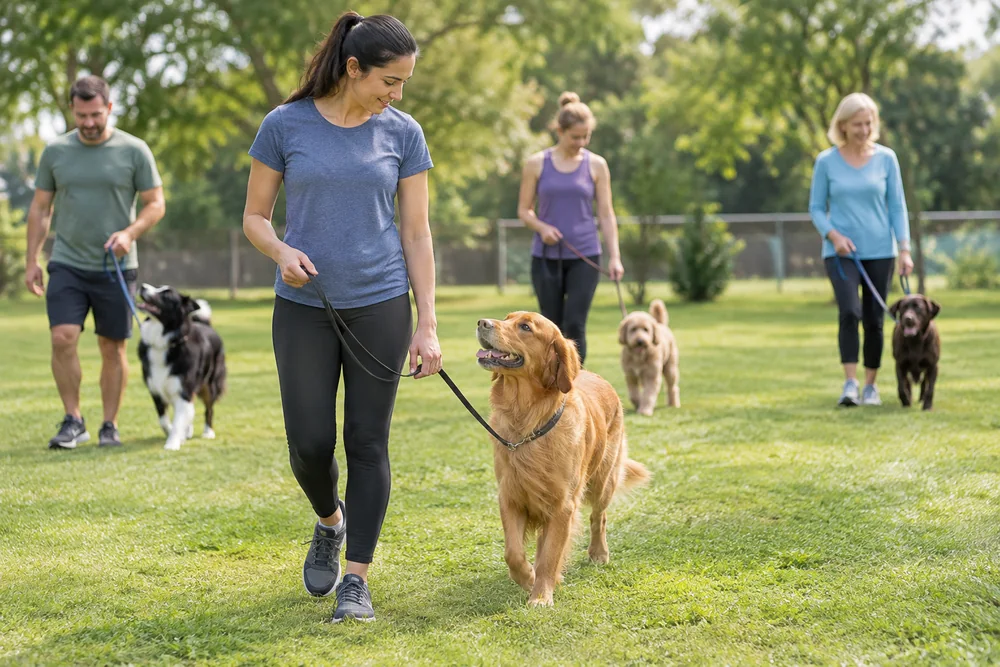
With board and train, your dog lives with a trainer for a few weeks while they work on skills every day. It’s the most expensive option, often $500 to $1,250 or more per week, with programs usually lasting two to five weeks.
| Program length | Typical total | Examples found |
|---|---|---|
| 1 week | $500–$1,800 | A 5-day Illinois program listed at $1,799 |
| 2 weeks | $1,000–$3,700 | A 2-week Tennessee program listed at $3,700 |
| 4 weeks | $2,000–$5,000 | A month-long Ohio program listed at $3,000 |
Board and train can work for basic obedience when owners are short on time, but it has trade-offs. Dogs need days to settle in, skills don’t always carry over to home, and owners still need lessons to keep the progress going. It’s generally not the right tool for aggression.
Before you book, tour the facility, ask exactly which methods and tools are used, confirm vaccination and parasite-prevention rules, and make sure owner sessions and follow-up support are included. Be wary of any program that guarantees results. For a pure boarding comparison, see our dog boarding cost guide.
What Affects the Cost of Dog Training
Format and length
Group classes spread the trainer’s time across several dogs. Private lessons and board and train buy one-on-one time, so they cost much more.
Trainer credentials
Certified trainers and behavior consultants usually charge more. The CPDT-KA credential from the Certification Council for Professional Dog Trainers requires 300 hours of training experience in the past three years, a 200-question exam and recertification every three years. IAABC’s Certified Dog Behavior Consultant (CDBC) and CCPDT’s behavior consultant credential (CBCC-KA) focus on behavior problems.
Your dog’s needs
A friendly puppy learning manners costs far less than a dog with fear, reactivity or aggression, which may need many sessions over months.
Location
Expect big-city prices to run well above those in smaller towns. The estimator’s region selector adjusts for this automatically.
In-home vs. facility
Trainers who come to you often charge more or add a travel fee, but training at home can solve problems that only happen there.
Dog Training Cost by Region
| Area | 6-week group class | Private lesson (1 hour) | Board and train (2 weeks) |
|---|---|---|---|
| High-cost metro (NYC, SF, Boston, LA) | $250–$600 | $150–$400 | $2,500–$4,500 |
| Mid-size city or suburb | $150–$300 | $80–$150 | $1,500–$3,000 |
| Small town or rural area | $100–$200 | $60–$100 | $1,000–$2,500 |
Big-box store prices tend to be similar nationwide, which makes them a useful benchmark when comparing local quotes.
Behavior Problems: When to See a Vet or Behaviorist
Aggression, severe fear, separation-related distress or a sudden change in behavior isn’t just a training issue. Start with your regular vet, because pain and medical problems can change behavior. Our vet visit cost guide shows what that first appointment typically costs.
Your vet may refer you to a specialist:
- Veterinary behaviorist (DACVB): A veterinarian with a behavior residency and board certification who can diagnose and prescribe. Initial consultations are long and priced accordingly: Tufts lists $605 for a 90-minute new-client visit, and one Michigan specialty hospital lists $665 for a two-hour canine consultation, with rechecks from about $197.
- Certified Applied Animal Behaviorist (CAAB): A behavior scientist with an advanced degree who designs behavior plans, often alongside your vet.
- Certified behavior consultant (CDBC, CBCC-KA): A trainer certified in behavior work, often the person who carries out the plan session by session.
If your dog has seriously injured someone or another animal, or you feel unsafe, keep everyone apart and contact your vet now for guidance and a referral. Don’t rely on a quick fix or a board-and-train guarantee.
Online Dog Training Cost
Online programs are the cheapest structured option. Courses and subscriptions commonly cost $20–$30 a month or a one-time $50–$200, with some complete programs priced at $500 or more. Many trainers also offer virtual one-on-one sessions at a lower price than in-home visits.
Online training works best for motivated owners with puppies or basic manners goals. It can’t replace in-person help for aggression or serious fear.
Service Dog Training Cost
A fully trained service dog from a program typically costs $15,000 to $30,000, and sometimes more, because the price covers years of breeding, raising, training and placement. Some accredited nonprofits place dogs at little or no cost to the handler, but waitlists can run years and some require fundraising.
Under the ADA, people with disabilities may train their own service dog, and federal law doesn’t require a certification or registration. Owner-training with a professional’s help costs less up front but usually means many private lessons over a long period. For example, 30 private lessons at $70–$150 each would come to about $2,100–$4,500. Online “service dog certificates” are not required by the ADA.
Questions to Ask a Dog Trainer Before You Pay
Comparing quotes is easier when you ask every trainer the same questions:
- What certifications do you hold? Look for current credentials such as CPDT-KA, CPDT-KSA, CBCC-KA or CDBC, which you can confirm in the certifying organization’s directory.
- What methods and tools do you use? Ask them to describe what happens when a dog gets it right and when it gets it wrong, and make sure you’re comfortable with the answer.
- Can I watch a class first? Good trainers usually welcome observers.
- How many dogs are in each class? Smaller groups mean more individual attention.
- What’s included in the price? Ask about handouts, make-up sessions, phone or email support and refund policies.
- Do you carry insurance? This matters most for in-home training and board and train.
Be cautious with anyone who promises a guaranteed result or a quick fix for a serious behavior problem.
How to Save Money on Dog Training
- Start early. A $150 puppy class can prevent problems that cost far more to fix later.
- Buy a bundle. Multi-course packages and private-lesson packs cost less per session.
- Check shelters and clubs. Humane societies and local kennel clubs often run affordable classes, sometimes discounted for adopted dogs.
- Combine formats. Take a group class, then add one or two private lessons for the specific problem.
- Practice daily. Five to ten minutes a day at home makes every paid session go further.
- Watch for seasonal deals. Pet store chains periodically discount group classes.
- Ask what follow-up is included before paying for board and train, so you’re not paying for extra sessions later.
- Dog training treat pouchCheck price on Amazon
- Training clickerCheck price on Amazon
Training is one part of your dog’s yearly budget. See our cost of owning a dog guide for the full picture, and our dog walker cost guide if your dog needs exercise during the workday.
Frequently Asked Questions
How much does dog training cost on average?
A six-week group obedience or puppy class typically costs $120–$300, about $175. Private lessons usually cost $70–$150 per hour, and board-and-train programs commonly run $1,000–$5,000 depending on length and location.
How much are puppy training classes?
Most six-week puppy classes cost $120–$300. Pet store chains are at the low end; PetSmart lists its puppy class at $149 for pups about 10 weeks to 5 months old. Classes usually ask for proof of age-appropriate vaccines.
Is board and train worth the cost?
It can help busy owners with basic obedience, but it costs $500–$1,250 or more per week, skills don’t always carry over to home, and it’s generally not suited to aggression. Choose a program that teaches you too and includes follow-up support, and be wary of guarantees.
What do dog training certifications like CPDT-KA mean?
Dog training is unregulated in the US, so credentials help. The CCPDT’s CPDT-KA requires 300 hours of training experience, a 200-question exam and recertification every three years. IAABC and CCPDT also certify behavior consultants for problem behaviors.
How much does a veterinary behaviorist cost?
An initial consultation with a board-certified veterinary behaviorist often costs about $600–$700 and lasts 90 minutes to two hours, with follow-up visits costing less. Ask your regular vet for a referral if your dog shows aggression, severe anxiety or a sudden change in behavior.
How much does it cost to train a service dog?
A program-trained service dog typically costs $15,000–$30,000 or more, though some nonprofits place dogs at low or no cost after a long wait. The ADA allows owners to train their own service dog and doesn’t require a certification.
Not veterinary advice. Prices are estimates for budgeting, not quotes. Ask your veterinarian for a written, itemized estimate. If your pet is injured, in pain or acting unwell, contact your vet or an emergency animal hospital right away.