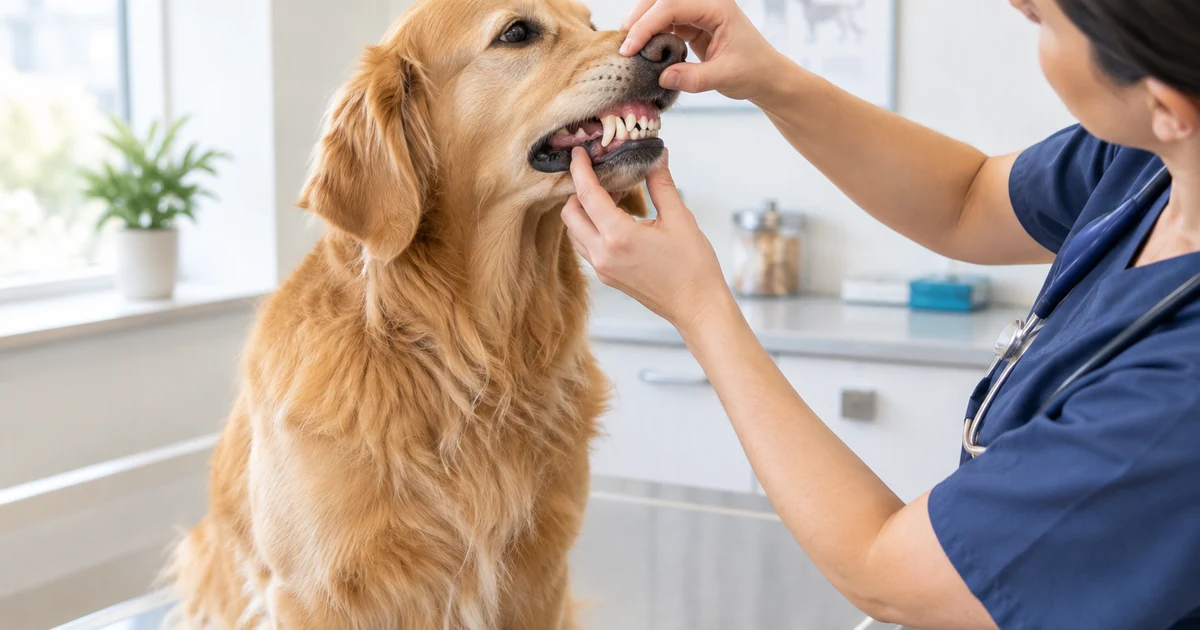
Dog Teeth Cleaning Cost by Dog Size
A professional cleaning is done under general anesthesia, so your dog’s weight drives the price of anesthetic drugs, fluids and monitoring time. The figures below are for a general vet and include pre-anesthetic bloodwork and full-mouth dental X-rays, but no extractions.
| Dog size | Cleaning only | With bloodwork + X-rays | With 2–4 extractions |
|---|---|---|---|
| Small (under 20 lb) | $300–$550 | $530–$1,050 | $630–$2,050 |
| Medium (20–50 lb) | $350–$600 | $580–$1,100 | $680–$2,100 |
| Large (50–90 lb) | $400–$700 | $630–$1,200 | $730–$2,200 |
| Giant (90+ lb) | $450–$800 | $680–$1,300 | $780–$2,300 |
Most owners of a healthy adult dog pay around $750 at a general vet. Insurer claim data shows how wide the real-world range is: Pumpkin reports dog dental cleaning claims from about $521 to $2,847, and the top of that range almost always reflects extractions or treatment of advanced gum disease.
What’s Included in the Price
A quote for a “dental” or COHAT (comprehensive oral health assessment and treatment) usually bundles several services. Here is what each part typically costs at a general practice.
| Service | Typical cost | Notes |
|---|---|---|
| Pre-dental exam | $50–$100 | Sometimes done at a separate visit |
| Pre-anesthetic bloodwork | $80–$200 | Checks liver and kidney function before anesthesia |
| Anesthesia, IV catheter and monitoring | $150–$350 | Includes intubation to protect the airway |
| Scaling above and below the gum line + polishing | $100–$250 | The actual “cleaning” |
| Full-mouth dental X-rays | $150–$300 | Shows roots and bone hidden below the gums |
| Extractions | $50–$250 per tooth | Simple vs. surgical; large multi-root teeth cost more |
| Pain meds / antibiotics to go home | $20–$80 | Only when extractions or infection are involved |
If extractions look likely, read our dog tooth extraction cost guide for per-tooth prices.
Dog Dental Cleaning Cost by Clinic Type
For the same medium-sized dog with bloodwork and X-rays and no extractions, here’s roughly what each kind of clinic charges.
| Clinic type | Typical price | Notes |
|---|---|---|
| Anesthesia-free service (groomer, mobile) | $100–$300 | Surface scaling only; not a veterinary cleaning (see below) |
| Low-cost or nonprofit clinic | $400–$775 | Check whether X-rays are included |
| General vet | $580–$1,100 | Most common choice; about $750 typical |
| Veterinary dentist / specialist | $925–$1,760+ | For complex extractions, fractured teeth or root canals |
What Happens on Cleaning Day
Your vet will usually ask you to withhold food the night before and drop your dog off in the morning. After bloodwork (if not done earlier), your dog gets an IV catheter, is anesthetized and has a breathing tube placed.
The team then charts every tooth, probes for pockets along the gums, takes X-rays, scales above and below the gum line and polishes the teeth. If X-rays show a problem, many vets call you before removing any teeth. Most dogs go home the same afternoon, a little sleepy, with soft food instructions if teeth were extracted.
Anesthesia-Free Dog Teeth Cleaning: The Honest Picture
Groomers and mobile services often advertise anesthesia-free cleaning for $100–$300. It’s cheaper and avoids anesthesia, which is why many owners ask about it.
The major veterinary organizations don’t consider it a substitute for a real cleaning. The 2019 AAHA Dental Care Guidelines call so-called anesthesia-free dentistry “unacceptable,” and the AVMA’s policy says scaling, probing, dental X-rays and extractions should be done under anesthesia. The American Veterinary Dental College notes that an awake dog can’t be cleaned below the gum line, where periodontal disease actually does its damage, and that sudden head movement risks injury from sharp instruments.
In short, an awake scaling can make teeth look whiter while disease under the gums goes unnoticed. If anesthesia worries you, ask your vet about the bloodwork, monitoring and protocols they use for older or higher-risk dogs.
What Affects the Cost of a Dog Dental Cleaning
Size and weight
Bigger dogs need more anesthetic drugs and fluids, and cleaning 42 large teeth simply takes longer. Expect roughly $50–$100 more per size bracket.
Age and health
Senior dogs or dogs with heart, liver or kidney conditions may need extra bloodwork, a chest X-ray or longer monitoring before and during anesthesia. That can add $100–$400.
Clinic type
Low-cost and nonprofit clinics may charge 30% less or more, though some skip dental X-rays. A board-certified veterinary dentist typically charges 50–100% more than a general vet but handles complex extractions, root canals and fractured teeth.
Region
Prices in major metro areas on the coasts run well above rural and Midwestern clinics. Use the region selector in the estimator above to adjust.
Extractions and complications
This is the biggest swing factor. A dog with advanced periodontal disease may need several teeth removed, stitches and pain medication, which can push the total to $1,500–$3,000 or more.
Could pet insurance cover a bill like this?
Accident & illness plans typically reimburse 70–90% of eligible vet costs after the deductible, if the condition is not pre-existing and the waiting period has passed. Premiums for dogs average about $62/month and for cats about $32/month (NAPHIA, 2025).
Coverage is subject to each policy’s terms, exclusions and state availability.Does Pet Insurance Cover Dog Teeth Cleaning?
Usually not the routine cleaning itself. Standard accident and illness plans treat a preventive cleaning like a checkup, so it isn’t reimbursed.
- Dental illness and injury: Many accident and illness plans cover extractions, periodontal disease treatment and broken teeth, including the anesthesia and X-rays tied to that treatment, subject to policy terms.
- Wellness add-ons: Several insurers sell optional wellness plans that reimburse a set amount toward routine cleanings each year.
- Dental exam requirements: Some insurers require a yearly dental exam and following your vet’s dental recommendations for dental illness to stay covered.
- Pre-existing conditions: Gum disease or tartar noted in records before coverage starts is typically excluded.
- Waiting periods: Illness coverage, including dental illness, usually starts after a waiting period of a couple of weeks.
For a broader look at costs vs. premiums, see is pet insurance worth it.
Signs Your Dog Needs a Dental Cleaning
Periodontal disease is the most common oral problem vets see in dogs, and it often hides below the gum line. Book a vet visit if you notice:
- Bad breath that doesn’t go away
- Yellow or brown tartar along the gum line
- Red, swollen or bleeding gums
- Chewing on one side, dropping food or pawing at the mouth
- Loose or broken teeth
Contact your vet or an emergency vet right away if your dog has facial swelling, a swelling under the eye, a broken tooth with pink or bleeding tissue showing, or stops eating.
How to Save Money on Dog Teeth Cleaning
- Watch for Dental Health Month. Many clinics discount cleanings in February.
- Don’t wait. A cleaning with no extractions costs a fraction of one done after disease has set in.
- Brush at home. Daily brushing with a dog toothpaste slows plaque build-up and can stretch the time between cleanings.
- Use VOHC-accepted chews and diets. The Veterinary Oral Health Council lists products shown to reduce plaque or tartar.
- Ask for an itemized estimate with a range for possible extractions, so you’re not surprised on pickup day.
- Check low-cost clinics and vet schools, and ask whether their price includes dental X-rays.
- Spread the cost with a wellness plan, or with CareCredit or Scratchpay financing.
- Enzymatic dog toothpaste + toothbrush kitCheck price on Amazon
- VOHC-accepted dental chews for dogsCheck price on Amazon
Comparing with other pets or visits? See our cat teeth cleaning cost and vet visit cost guides.
Frequently Asked Questions
How much does it cost to get a dog's teeth cleaned?
Most owners pay about $750 for a cleaning under anesthesia at a general vet, including bloodwork and dental X-rays. The usual range is $500–$1,100, or roughly $300–$550 for the cleaning alone. Extractions and treatment of gum disease add to the bill.
Why does dog dental cleaning require anesthesia?
Cleaning below the gum line, probing for pockets and taking dental X-rays can’t be done safely or thoroughly on an awake dog. Anesthesia with a breathing tube also protects the airway from water and debris. AAHA, the AVMA and the American Veterinary Dental College all support doing dental cleanings under anesthesia.
Is anesthesia-free dog teeth cleaning worth it?
It’s cheaper, typically $100–$300, but it only removes visible tartar from the tooth surface. Veterinary dental organizations don’t consider it an adequate cleaning because disease below the gums is missed. Talk to your vet if you have concerns about anesthesia.
How often should a dog get a professional teeth cleaning?
It depends on the dog. Many dogs need one every one to two years, while small breeds prone to tartar may need one more often. Your vet will recommend timing based on the yearly oral exam.
Does pet insurance cover dog teeth cleaning?
Routine cleanings usually aren’t covered by accident and illness plans, but many plans cover dental illness such as extractions and periodontal treatment, subject to policy terms. Some insurers offer wellness add-ons that reimburse part of a routine cleaning.
Why was my dog's dental bill higher than the estimate?
Dental X-rays often reveal problems below the gum line that can’t be seen before anesthesia, such as infected roots or bone loss. Many vets call you during the procedure to approve extra work. Asking for an estimate with a range for extractions helps avoid surprises.
- AAHA — 2019 Dental Care Guidelines for Dogs and Cats
- AVMA — Policy says dental procedures should be done under anesthesia
- American Veterinary Dental College — Dental scaling without anesthesia
- Pumpkin — Pet dental costs and coverage
- Forbes Advisor — Pet dental insurance
- HomeGuide — Dog teeth cleaning costs
Not veterinary advice. Prices are estimates for budgeting, not quotes. Ask your veterinarian for a written, itemized estimate. If your pet is injured, in pain or acting unwell, contact your vet or an emergency animal hospital right away.