Belgian Malinois Price by Source and Bloodline
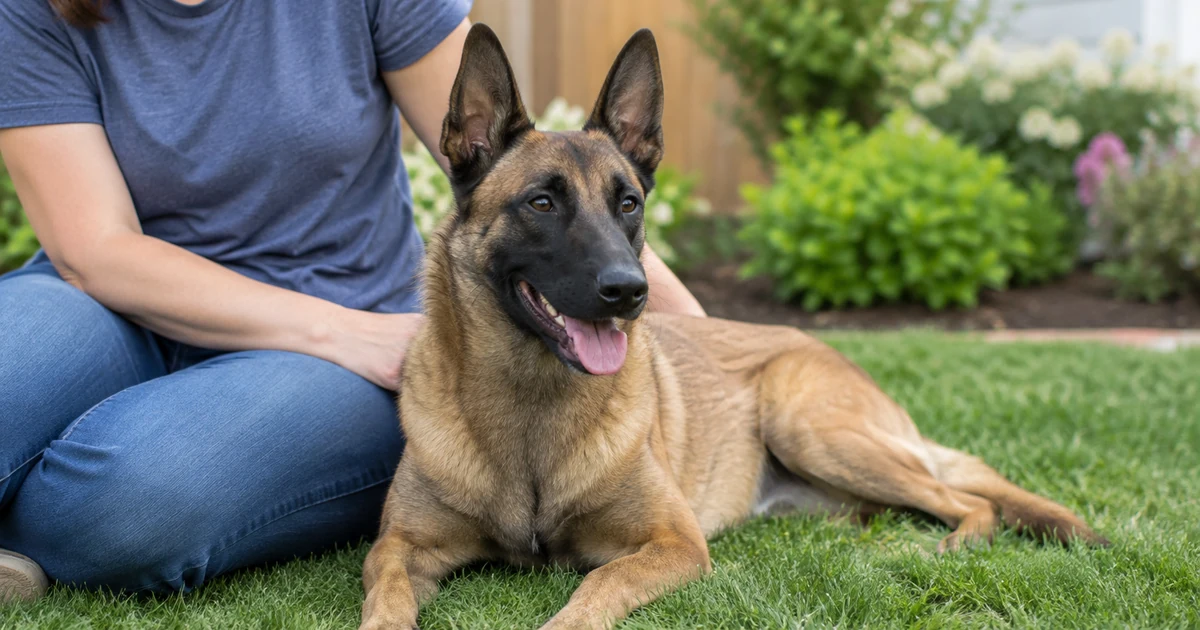
Where your Malinois comes from, and what it was bred for, drives the price more than anything else. A pet from a careful breeder costs far less than an imported working-line dog, and a fully trained protection dog is a different purchase altogether.
| Source | Typical price | What you usually get |
|---|---|---|
| Rescue or shelter | $50–$800 (most $300–$500) | Often a young adult, vet-checked, spayed/neutered and vaccinated |
| Reputable breeder, companion or sport home | $1,200–$3,500 | Parents with hip, elbow and eye evaluations, first vaccines, written contract |
| Proven working or show lines, imported bloodlines | $3,500–$9,000 | Puppies from titled or working parents, often with breeding or co-ownership terms |
| Started or fully trained protection dog | $12,000 to $65,000+ | An adult dog already trained for detection, patrol or personal protection |
| Online ad far below $1,000 | Too good to be true | High risk of a backyard breeder, a mixed breed sold as purebred, or a scam |
Published ranges differ: Rover lists $600 to $2,000+ from a breeder, Dogster $850 to $3,000, and Insurify $1,200 to $9,000 once working bloodlines are included. For a healthy pet-quality puppy from health-tested parents, most buyers pay around $2,000.
Working lines vs. pet lines
Most Malinois are bred from working stock, and many breeders select for high drive, which is why the breed excels in police, military and sport work. Some breeders focus on show conformation or on a slightly calmer temperament suited to active families. Ask the breeder directly which homes their puppies do best in: an intense working-line puppy in a quiet apartment is a common reason these dogs end up rehomed.
Trained protection dogs
Rover puts professional patrol or protection training at about $12,000 to $15,000 per dog, and Dogster notes that finished working or protection dogs can sell for as much as $65,000. These are specialist purchases, and a reputable trainer will want to meet you and assess your experience first.
Belgian Malinois First-Year Cost
The puppy is only part of the bill. A Malinois is a 40- to 80-pound athlete that eats more, chews more and needs more training than most family dogs. Here is a typical first-year budget for a puppy from a reputable breeder.
| First-year expense | Typical cost |
|---|---|
| Puppy (reputable breeder, pet or sport home) | $1,200–$3,500 |
| Supplies (sturdy crate, bed, leashes, long line, durable toys) | $400–$800 |
| Food and treats for a growing medium-large puppy | $500–$900 |
| Puppy vet visits, vaccines, microchip, parasite prevention | $450–$850 |
| Spay/neuter surgery | $350–$800 |
| Puppy and obedience classes | $300–$1,200 |
| A couple of private training sessions | $140–$300 |
| Typical first-year total | $3,300–$8,400 (about $5,600) |
| Optional: pet insurance | $550–$850 a year |
Spay and neuter fees rise with body weight, so a Malinois usually costs more than a small dog. Low-cost clinics charge much less than general practices.
Training Costs for a High-Drive Breed
Belgian Malinois rescues have long warned that the breed needs vigorous daily exercise and consistent training, and that dogs without an outlet can become destructive. Most owners combine group classes with some one-on-one help.
| Training option | Typical price |
|---|---|
| Group class (puppy or basic obedience) | $30–$80 per class |
| Private session with a trainer | $45–$150 per session |
| Board-and-train or intensive obedience program | $500–$1,250 per week |
| Dog sports (IGP, agility, mondioring, nosework) club fees and seminars | Varies by club; often a few hundred dollars a year |
| Professional patrol or protection training | $12,000–$15,000 per dog |
Group and private prices come from Rover and Insurify. Ongoing sport training is a common way owners channel the breed’s drive, and it adds to the yearly budget.
Yearly Cost of a Belgian Malinois
After the first year, most owners spend about $2,000 to $4,300 a year, or roughly $3,000 in a typical year. Rover’s estimate for adult Malinois runs from about $2,200 up to $6,600 for owners who use more paid services.
- Food and treats: $600–$1,000 a year
- Routine vet care and parasite prevention: $500–$900 a year
- Pet insurance: about $550–$850 a year (Insurify reports an average near $55 a month)
- Training, classes and dog sports: $200–$1,000 a year
- Replacement toys, chews and gear: $200–$500 a year
Grooming is cheap: the short double coat needs regular brushing, and an occasional bath or nail trim at a groomer runs about $60 to $100. With a lifespan of about 14 to 16 years, according to Insurify, lifetime costs add up. Our cost of owning a dog guide shows how this compares with other breeds.
Common Belgian Malinois Health Issues and Costs
Malinois are generally sturdy, but the American Belgian Malinois Club’s recommended health tests, listed by the AKC, are hip, elbow and eye evaluations. Those are the problems to budget for.
| Condition | What it is | Typical cost |
|---|---|---|
| Hip dysplasia | An abnormally formed hip joint that can lead to arthritis | $1,700–$4,500 for surgery; ongoing pain management if not operated |
| Elbow dysplasia | Abnormal development of the elbow joint | $1,500–$4,000 per elbow for surgery |
| Progressive retinal atrophy (PRA) | Inherited retinal disease that slowly causes vision loss | No cure; costs are mainly eye exams and diagnosis |
| Cataracts | Clouding of the lens | About $2,700–$5,500 for surgery, often around $5,000 for both eyes all in |
| Hemangiosarcoma | A cancer of blood vessel cells, more common in larger breeds | $500–$5,000 for diagnosis and surgery, plus any chemotherapy |
Hip, elbow and cancer figures come from Rover’s breed cost guide. Diagnosing joint problems usually starts with X-rays; see our dog X-ray cost guide. For lens surgery, our dog cataract surgery cost page explains the consult, tests and aftercare.
Could pet insurance cover a bill like this?
Accident & illness plans typically reimburse 70–90% of eligible vet costs after the deductible, if the condition is not pre-existing and the waiting period has passed. Premiums for dogs average about $62/month and for cats about $32/month (NAPHIA, 2025).
Coverage is subject to each policy’s terms, exclusions and state availability.Does Pet Insurance Cover a Belgian Malinois?
Yes. Malinois are not among the most expensive breeds to insure, but their size and activity level put them above small dogs. Insurify reports an average premium of about $55 a month, roughly $660 a year; your quote depends on age, location, deductible and reimbursement level.
- Enroll young. Anything noted before coverage starts, such as a limp or an abnormal hip X-ray, is usually treated as pre-existing and excluded.
- Check orthopedic terms. Some insurers use longer waiting periods for hip dysplasia or cruciate ligament injuries, or require an exam to waive them.
- Look at hereditary and working-dog wording. Hip and elbow dysplasia are hereditary conditions; confirm how each policy treats them. Dogs used for police, protection or commercial work may be excluded or need a special policy.
- Wellness add-ons help with vaccines and routine care but are optional and priced separately.
Coverage always depends on the policy terms. Our guide on whether pet insurance is worth it helps you compare the premium with the bills you’re likely to face.
When a Malinois Needs a Vet Right Away
Active dogs get hurt, and deep-chested breeds can develop sudden stomach problems. Contact your vet or an emergency vet right away if your dog:
- Has a swollen, tight belly, retches without bringing anything up, or seems restless and in pain
- Suddenly won’t put weight on a leg, or cries out when moving
- Collapses, is very weak, or has pale gums
- Pants heavily and can’t cool down after exercise on a hot day
How to Spot Malinois Scams and Backyard Breeders
The breed’s fame from police and military work and films draws buyers, and with them casual breeders and scammers. Watch for these red flags:
- A price far below $1,000 for a “purebred” Malinois, or a puppy advertised as “police dog ready”
- No hip, elbow or eye results for the parents
- The seller won’t allow a visit or a live video call, and you can’t meet the mother
- Payment by gift card, wire transfer, crypto or payment apps like Zelle or Venmo
- Surprise fees for shipping, crates or “insurance” after you pay a deposit
- Many litters of several breeds available at once
The Better Business Bureau reports a median loss of about $600 per puppy-scam victim in 2025. A reputable breeder asks you questions, matches puppies to homes, gives a written contract and takes the dog back if you can’t keep it.
How to Save Money on a Belgian Malinois
- Contact a Malinois-specific rescue. Adoption fees are usually a few hundred dollars and often include spay/neuter, vaccines and a microchip, plus an honest read on the dog’s energy level.
- Buy for your lifestyle, not for prestige. Imported working lines cost more and need more work. A companion or sport-home puppy suits most families.
- Pay for health-tested parents. A few hundred dollars more up front is small next to hip or elbow surgery.
- Start training early and do the homework. Group classes plus daily practice cost far less than fixing problems later with a trainer.
- Buy durable gear once. Chew-resistant crates, beds and toys save repeat purchases.
- Insure early or build a vet fund, and ask for an itemized estimate and payment options such as CareCredit or Scratchpay before any surgery.
- Heavy-duty chew-resistant dog toyCheck price on Amazon
- Puzzle feeder / interactive treat toy for large dogsCheck price on Amazon
Frequently Asked Questions
How much is a Belgian Malinois puppy?
A Belgian Malinois puppy from a reputable US breeder usually costs $1,200 to $3,500, with most pet-quality puppies around $2,000. Puppies from proven working, show or imported lines often cost $3,500 to $9,000.
Why are trained Malinois so expensive?
A dog trained for patrol, detection or protection represents months of professional work. Rover puts patrol or protection training at about $12,000 to $15,000 per dog, and finished protection dogs can sell for much more, sometimes $65,000 or higher.
How much does it cost to adopt a Belgian Malinois?
Rescue and shelter adoption fees usually range from about $50 to $800, with most around $300 to $500. The fee typically covers spay/neuter, vaccines and a microchip, and breed rescues can tell you a lot about each dog’s energy and training.
Is a Belgian Malinois a good first dog?
Breed rescues and clubs describe the Malinois as a very high-energy, intelligent working dog that needs vigorous daily exercise and consistent training. Many first-time owners do better with a calmer breed, or with an adult rescue whose temperament is already known.
How much does a Belgian Malinois cost per month?
After the first year, most owners spend about $170 to $360 a month, including food, routine vet care, insurance, training and replacement toys. Classes, dog sports or a vet visit for an injury push that higher.
- Rover — Belgian Malinois Price Guide
- Insurify — Cost of Owning a Belgian Malinois (2026)
- Dogster — Belgian Malinois Price: 2026 Cost Guide
- AKC — Herding Group Health Testing Requirements
- American Belgian Malinois Rescue — Community Braces for Influx of Rescue Dogs (PRWeb)
- BBB — 2025 Puppy Scam Study Update
Not veterinary advice. Prices are estimates for budgeting, not quotes. Ask your veterinarian for a written, itemized estimate. If your pet is injured, in pain or acting unwell, contact your vet or an emergency animal hospital right away.