Cat Vet Visit Cost by Age and Visit Type
A cat’s age shapes the visit more than anything else. Kittens need a short series of visits, healthy adults usually go once a year, and seniors are often seen twice a year with lab work.
| Visit type | Exam fee | Typical total with common add-ons |
|---|---|---|
| Kitten first visit | $50–$100 | $100–$250 (exam, first vaccines, deworming, fecal test) |
| Adult wellness visit | $55–$130 | $100–$220 (exam + vaccines due that year) |
| Senior wellness visit (about 10+ years) | $60–$140 | $250–$500+ (exam, bloodwork, urinalysis) |
| Sick visit | $65–$150 | $150–$400 (exam, tests, medication) |
| Emergency visit | $113–$260 | $500–$1,500+ (see below) |
National data puts the average cat exam at about $57–$130, almost the same as for dogs. The difference comes later: cats get fewer routine tests but are more often recommended senior lab work, since kidney and thyroid problems are common in older cats.
Kitten first visits
Kittens usually see the vet every 3–4 weeks until about 16 weeks old to finish the FVRCP series and get a rabies shot. Expect 2–4 visits in the first months. Many vets also recommend a feline leukemia (FeLV) and FIV test for new kittens and cats of unknown history, which typically costs $40–$70.
A kitten’s first year, including all visits, vaccines and deworming, often comes to several hundred dollars before spaying or neutering. Spaying or neutering is usually the next big cost.
Senior cat visits
Many vets suggest twice-yearly checks for older cats. A senior panel usually includes a chemistry panel, blood count, thyroid level and urinalysis, adding roughly $150–$300 to the exam. That sounds like a lot, but it’s often how early changes are spotted before a cat shows signs.
What’s Included in the Price
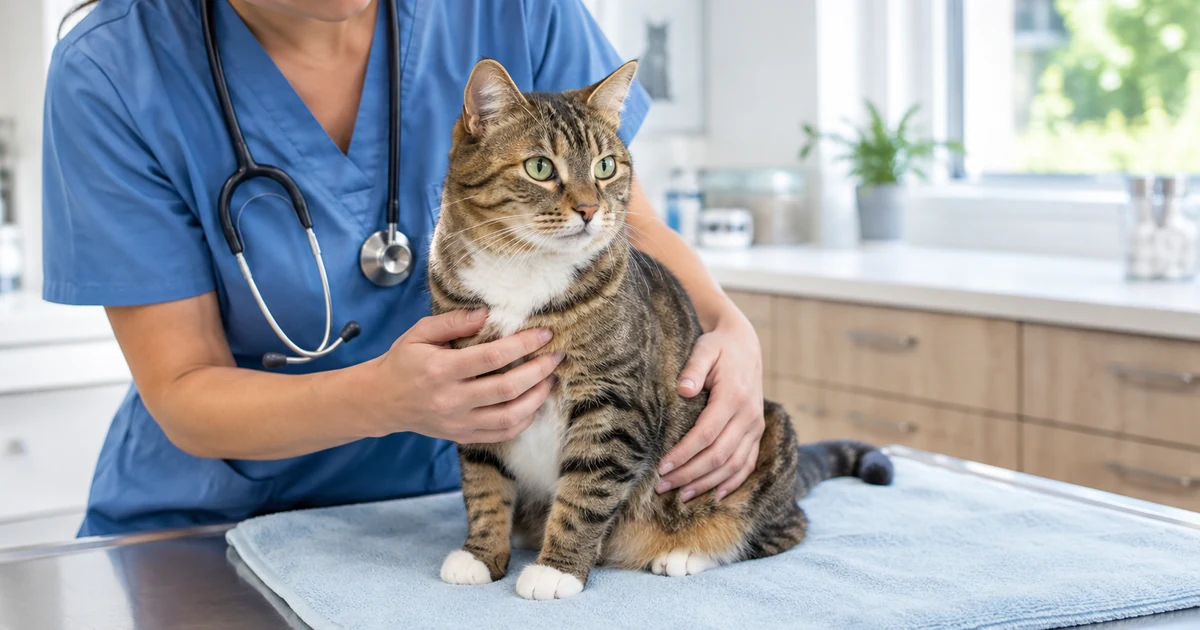
The exam fee covers a nose-to-tail check: weight, heart and lungs, eyes, ears, mouth and teeth, coat, belly and joints, plus time for your questions. The rest is billed separately:
| Add-on | Typical cost |
|---|---|
| FVRCP vaccine | $25–$45 |
| Rabies vaccine | $20–$35 |
| Feline leukemia (FeLV) vaccine | $25–$45 |
| FeLV / FIV combo test | $40–$70 |
| Fecal test | $25–$45 |
| Deworming | $20–$50 |
| Bloodwork (chemistry + CBC) | $100–$200 |
| Urinalysis | $40–$70 |
| Microchip | $45–$60 |
A typical adult indoor cat’s yearly visit (exam plus one or two vaccines) usually lands around $100–$220. For how cat visits compare with dogs, see our general vet visit cost guide.
Example Cat Vet Bills
These sample breakdowns use mid-range general-practice prices to show how a cat visit adds up. Your clinic’s fees will differ.
| Visit | Line items | Estimated total |
|---|---|---|
| Kitten, first visit | Exam $70, FVRCP $35, fecal test $35, deworming $30, FeLV/FIV test $55 | About $225 |
| Indoor adult, yearly wellness | Exam $75, FVRCP $35, rabies $28 | About $140 |
| Senior cat, wellness | Exam $85, senior bloodwork $175, urinalysis $55, vaccine $35 | About $350 |
| Adult cat, vomiting (daytime) | Sick exam $85, bloodwork $150, X-rays $200, anti-nausea injection $45 | About $480 |
Over a year, a healthy indoor adult cat’s routine vet care usually costs about $100–$300. Kittens and seniors cost more because they need more visits or more lab work.
What Affects the Cost
Age and health
Kittens need more visits; seniors need more lab work. Cats with ongoing conditions need regular rechecks and repeat tests, which is where yearly costs climb.
Clinic type
Low-cost and shelter clinics often charge $25–$60 for an exam and offer inexpensive vaccines. General practices charge the national average. Cat-only clinics sometimes cost a little more, but they tend to have quieter waiting rooms with no dogs, which many cats find less stressful.
Cat-friendly clinics
Some practices are certified as Cat Friendly Practices through the American Association of Feline Practitioners. These clinics train staff in gentle handling and set up cat-only spaces. Prices vary like any other clinic, so it’s worth asking for their fee list.
Indoor or outdoor lifestyle
Outdoor cats are usually advised to get more vaccines, including FeLV, and more frequent parasite checks. Indoor-only cats often need fewer shots, which keeps yearly costs lower.
Where you live
Prices follow local cost of living. National data shows cat visits costing the least in states like Mississippi and the most in places like Hawaii, with big-city clinics usually above average.
More than one cat
Some clinics offer a small multi-pet discount or let you book cats back to back so each visit takes less time. It’s worth asking when you schedule, especially for kittens from the same litter who need the same vaccine series.
Cat vs. Dog Vet Visit Costs
Exam fees for cats and dogs are close: national averages are about $57–$130 for cats and $56–$129 for dogs. Cats often cost a bit less per year because they usually don’t need a yearly heartworm test, and indoor cats typically need fewer vaccines.
On the other hand, cats tend to see the vet less often than dogs, so problems can be further along by the time they’re noticed. Regular checkups, even when your cat seems fine, give your vet a baseline to compare against. For the full yearly picture, including food, litter and supplies, see our cost of owning a cat guide.
Could pet insurance cover a bill like this?
Accident & illness plans typically reimburse 70–90% of eligible vet costs after the deductible, if the condition is not pre-existing and the waiting period has passed. Premiums for dogs average about $62/month and for cats about $32/month (NAPHIA, 2025).
Coverage is subject to each policy’s terms, exclusions and state availability.Does Pet Insurance Cover Cat Vet Visits?
Standard accident-and-illness plans generally reimburse covered sick and injury visits, including diagnostics and treatment, after your deductible. Some policies also cover the exam fee for those visits, while others exclude it or offer it as an add-on.
Routine wellness visits, vaccines and FeLV/FIV screening are usually not covered unless you add a wellness plan, which pays set amounts toward preventive care each year. Every policy has waiting periods and excludes pre-existing conditions, so coverage depends on the exact terms. Our guide to whether pet insurance is worth it can help you weigh it up.
Signs Your Cat Needs a Vet Right Away
Cats are good at hiding discomfort, so some changes deserve a same-day call. Contact your vet or an emergency vet right away if your cat:
- Strains in the litter box and passes little or no urine (especially male cats)
- Breathes with an open mouth or seems to struggle to breathe
- Has not eaten for more than a day, or keeps vomiting
- Is suddenly unable to use its back legs or is crying out in pain
- May have chewed a lily, string, medication or other toxin
- Collapses, has a seizure or is very lethargic
Emergency hospitals cost more, but these signs shouldn’t wait for a regular appointment. See our emergency vet cost guide for typical ER prices.
How to Save Money on Cat Vet Visits
- Use low-cost vaccine clinics. Shelters and humane societies often run vaccine clinics at a fraction of general-practice prices.
- Adopt from a shelter. Adoption fees usually include first vaccines, a FeLV/FIV test, a microchip and spay/neuter.
- Ask about wellness plans. Many clinics bundle exams, vaccines and senior labs into monthly payments.
- Bundle visits. Ask if vaccines, labs and a dental check can happen at the same visit to avoid a second exam fee.
- Request an itemized estimate. It helps you understand each test and plan non-urgent ones.
- Know your financing options. Many vets accept CareCredit or Scratchpay for larger bills, subject to approval and terms.
- Top-loading hard-sided cat carrierCheck price on Amazon
- Calming pheromone spray for catsCheck price on Amazon
Frequently Asked Questions
What is the average cat vet visit cost?
National data puts the average cat exam at about $57–$130. With vaccines, most routine visits total $100–$220. Senior visits with bloodwork and urinalysis often run $250–$500.
How much is a kitten's first vet visit?
A kitten’s first visit usually costs $100–$250 including the exam, first vaccines, deworming and a fecal test. A FeLV/FIV test adds about $40–$70. Most kittens need 2–4 visits in their first months.
How often should a cat go to the vet?
Most healthy adult cats are seen once a year. Kittens need several visits for their vaccine series, and many vets recommend twice-yearly visits for seniors. Your vet will suggest the right schedule for your cat.
Do indoor cats need vet visits?
Yes. Indoor cats still need exams, a rabies vaccine where required by law, and routine checks for dental, weight and kidney changes. They often need fewer vaccines than outdoor cats, which keeps costs lower.
Are cat-only clinics more expensive?
Sometimes slightly, but not always. Their main benefit is a quieter, dog-free environment and staff trained in feline handling. Ask for their fee list to compare with other clinics nearby.
Not veterinary advice. Prices are estimates for budgeting, not quotes. Ask your veterinarian for a written, itemized estimate. If your pet is injured, in pain or acting unwell, contact your vet or an emergency animal hospital right away.