Cherry Eye Surgery Cost by Eye and Clinic
Two things drive the price more than anything else: whether one or both eyes are treated, and whether a general vet or a veterinary ophthalmologist does the surgery. The figures below are complete bills, including the exam, anesthesia, bloodwork and take-home medication.
| Procedure | General vet | Veterinary ophthalmologist |
|---|---|---|
| One eye | $575–$1,300 (about $850 typical) | $1,035–$2,330 |
| Both eyes, same surgery | $875–$2,000 | $1,575–$3,600 |
| Repeat surgery (re-prolapse) | Similar to the first surgery | Often referred here; similar to the ranges above |
Treating both eyes at once usually costs less than two separate surgeries, because anesthesia, bloodwork and the hospital visit are paid only once. National cost guides put the average single-eye surgery at around $850, with most quotes between $500 and $1,200.
Low-cost and nonprofit clinics that offer the surgery often charge about 30% less than a general vet. The difference is mostly in overhead, so ask the same questions: who performs the surgery, which technique is used, and whether medication and rechecks are included.
What’s Included in the Price
| Item | Typical cost | Notes |
|---|---|---|
| Exam or consultation | $60–$200 | Specialist consults sit at the high end |
| Pre-anesthetic bloodwork | $75–$175 | Sometimes optional for young, healthy dogs |
| Anesthesia and monitoring | $150–$300 | Larger dogs and flat-faced breeds may need more monitoring |
| Surgery (per eye) | $250–$500 at a general vet | Pocket, tacking or combined technique |
| Eye drops, pain relief, anti-inflammatories | $30–$80 | Given for one to two weeks |
| Cone (e-collar) | $20–$40 | Prevents rubbing at the stitches |
| Recheck visit(s) | $0–$100 | Often included in the surgical fee; ask |
Some clinics quote only the surgery fee. Always ask whether bloodwork, medications and rechecks are included so you can compare quotes fairly.
Pocket vs. Tacking Technique
Cherry eye is a prolapse of the tear gland of the third eyelid. Veterinary ophthalmologists recommend putting the gland back in place rather than removing it, because it produces a large share of the eye’s tears (estimates range from about a third to two thirds).
- Pocket technique: the vet creates a small pocket in the tissue of the third eyelid and tucks the gland back in, closing it with absorbable stitches. It’s the most common approach.
- Tacking (anchoring): the gland is stitched to nearby tissue or bone to hold it in place.
- Combined: some surgeons use both, especially in breeds prone to recurrence, or for a repeat surgery.
At a general vet, the technique usually doesn’t change the price much. Combined or repeat procedures take longer, and are more often done by a specialist, which is where costs rise. Colorado State University’s veterinary hospital reports an 85–90% success rate for surgery.
Recovery and Aftercare Costs
Cherry eye surgery is usually an outpatient procedure, so most dogs go home the same day. Your vet will typically send home eye drops or ointment and pain relief, and ask that your dog wear a cone for about one to two weeks so they don’t rub the eye.
Mild swelling and redness for a few days is common. VCA notes that in most cases the gland returns to normal within a few weeks. Budget for one or two recheck visits if they aren’t included in the surgery fee, which usually costs $50–$150 in total at a general vet.
Keep an eye on the other eye as well. If it starts to show the same pink swelling, tell your vet early, since treating it promptly can make the repair simpler.
What Affects the Cost
One eye or both
According to VCA, many dogs with cherry eye in one eye eventually develop it in the other. Some surgeons will discuss treating the second eye at the same time if it’s already prolapsing, which saves a second round of anesthesia fees.
General vet or ophthalmologist
Many general vets perform cherry eye surgery routinely. A board-certified veterinary ophthalmologist usually costs about 80% more, but may be recommended for repeat prolapses, very large glands, or breeds with higher recurrence.
Breed and size
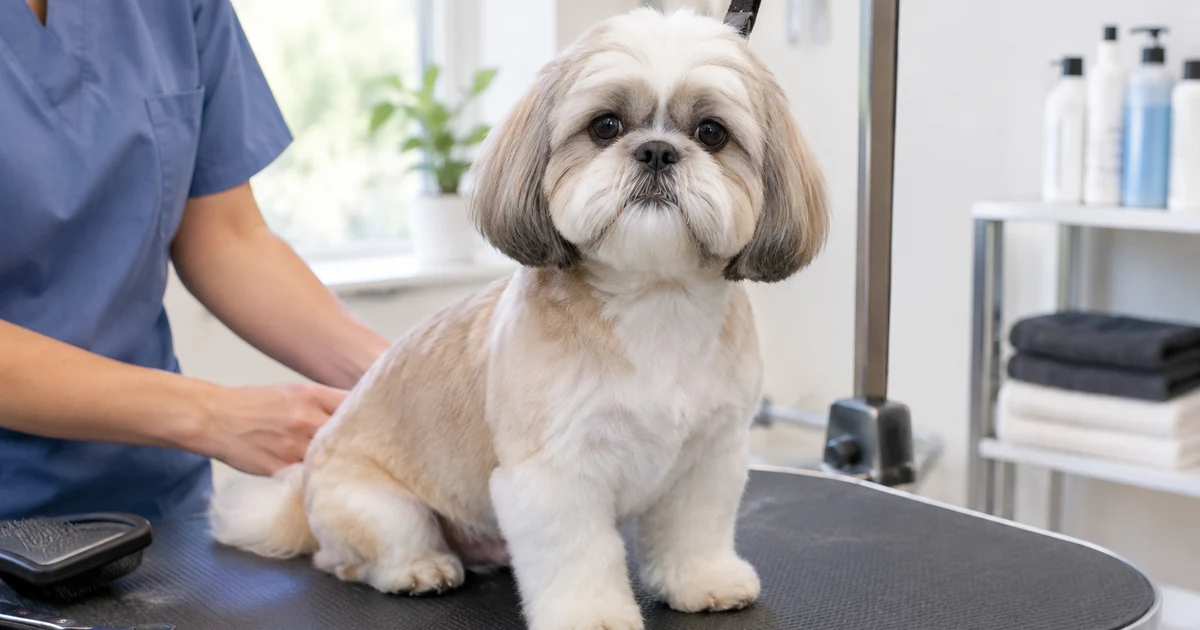
Big dogs need more anesthetic and medication, and flat-faced breeds may need extra airway monitoring. Breeds prone to cherry eye include English and French bulldogs, Shih Tzus, Lhasa Apsos, beagles, cocker spaniels, pugs, Boston terriers, Cane Corsos, Great Danes and Neapolitan mastiffs. Cats rarely get it, though Burmese and Persian cats are occasionally affected.
Recurrence
VCA reports that roughly 5–20% of dogs have the gland prolapse again after surgery, and the AKC notes some breeds, such as mastiffs and boxers, are more prone. A second surgery usually costs about as much as the first. Ask whether your clinic discounts revision surgery.
Region
Prices in large metro areas are usually higher than in smaller towns. The estimator’s region setting reflects this.
Could pet insurance cover a bill like this?
Accident & illness plans typically reimburse 70–90% of eligible vet costs after the deductible, if the condition is not pre-existing and the waiting period has passed. Premiums for dogs average about $62/month and for cats about $32/month (NAPHIA, 2025).
Coverage is subject to each policy’s terms, exclusions and state availability.Does Pet Insurance Cover Cherry Eye Surgery?
Many accident and illness plans cover cherry eye surgery as an illness, including hereditary conditions, as long as it first appears after coverage starts and after the illness waiting period (often 14–30 days). Accident-only plans generally don’t cover it.
- Pre-existing conditions: if cherry eye was noted before enrollment or during the waiting period, it won’t be covered.
- Bilateral conditions: some insurers treat a problem in one eye as related to the other. If one eye was affected before coverage, the second eye may be excluded too, even if it prolapses later.
- Reimbursement: most plans pay 70–90% of eligible costs after the deductible.
Because cherry eye usually appears in dogs under a year old, especially in predisposed breeds, enrolling a puppy early matters. Coverage is always subject to each policy’s terms. See Is pet insurance worth it? for how to weigh the premium against likely vet bills.
Signs of Cherry Eye and When to Call the Vet
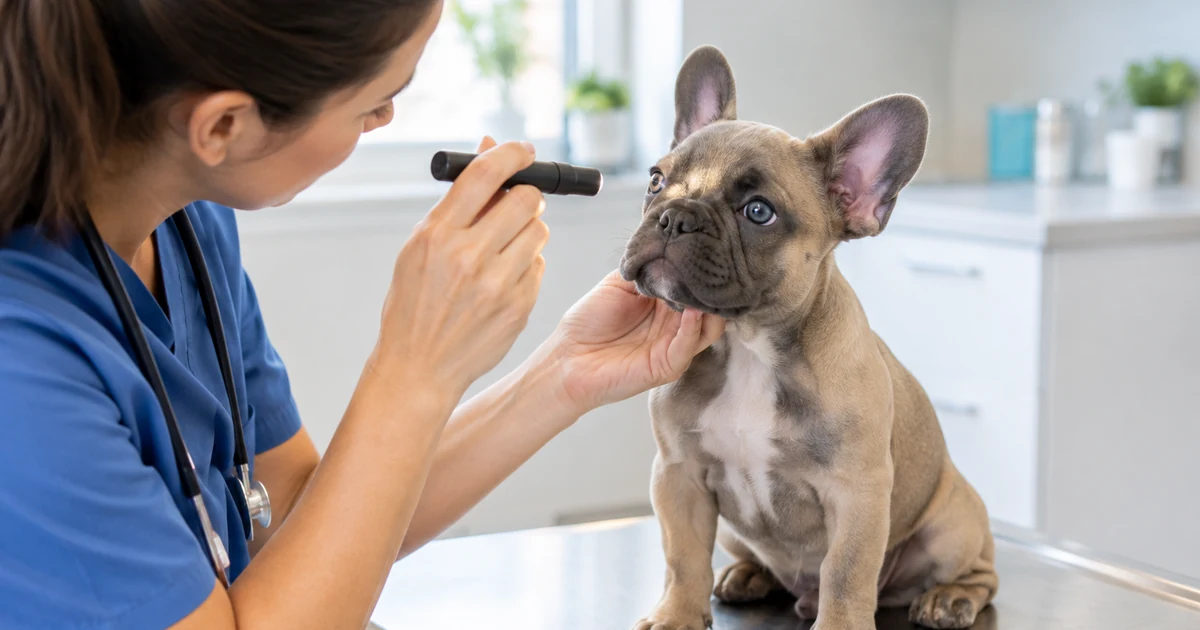
Cherry eye looks like a smooth, red or pink swelling in the inner corner of the eye. It often appears suddenly in a young dog, and the eye may water or look irritated. It isn’t usually an emergency, but book a vet visit soon: the exposed gland can dry out and swell, and early repair tends to go more smoothly.
Call your vet or an emergency vet right away if your dog is squinting hard, keeps the eye closed, has a cloudy or bluish cornea, thick discharge, bleeding, or if the eye looks injured. After surgery, contact your vet if the swelling returns or your dog paws at the eye.
How to Save Money on Cherry Eye Surgery
- Get an itemized estimate that includes bloodwork, medications and rechecks, and compare two or three clinics.
- Ask about treating both eyes together if your vet sees early changes in the second eye.
- Choose repositioning, not removal. It may cost the same today and avoids lifelong dry eye treatment.
- Check vet schools and nonprofit clinics for reduced surgical fees.
- Ask if revision surgery is discounted in case the gland prolapses again.
- Use financing if needed. CareCredit and Scratchpay can spread the cost; read the promotional terms.
- Insure early if you have a predisposed breed puppy, before any eye problem is noted.
- Soft recovery cone for dogsCheck price on Amazon
Thinking about a breed prone to cherry eye? Our French bulldog price and Shih Tzu price guides cover purchase price and common health costs, and our vet visit cost guide explains exam fees.
Frequently Asked Questions
How much is cherry eye surgery for a dog?
At a general vet, most owners pay $575–$1,300 for one eye, about $850 typical, including anesthesia, bloodwork and medication. Both eyes usually cost $875–$2,000, and a veterinary ophthalmologist typically charges $1,000–$3,600.
Is it cheaper to fix both eyes at once?
Usually, yes. Anesthesia, bloodwork and the hospital visit are paid once, so both eyes in one surgery often cost less than two separate procedures. Your vet will advise whether the second eye needs treatment.
Can cherry eye go away without surgery?
Occasionally a vet may try gentle massage or anti-inflammatory drops, and the gland may pop back temporarily, but it often prolapses again. Your vet can tell you whether a non-surgical approach is worth trying for your dog.
Why not just remove the gland?
The third eyelid gland makes a large share of the eye’s tears. Removing it raises the risk of dry eye, which usually needs daily medication for life. That’s why veterinary ophthalmologists recommend repositioning the gland instead.
Does pet insurance cover cherry eye surgery?
Many accident and illness plans cover it if the condition appears after the waiting period and isn’t pre-existing. Some policies exclude the second eye if the first was affected before coverage began. Check your policy’s terms.
What if cherry eye comes back after surgery?
VCA reports that about 5–20% of dogs have a repeat prolapse. A second surgery usually costs about the same as the first and may be done by a specialist. Ask your clinic about its revision policy before the first surgery.
Not veterinary advice. Prices are estimates for budgeting, not quotes. Ask your veterinarian for a written, itemized estimate. If your pet is injured, in pain or acting unwell, contact your vet or an emergency animal hospital right away.