Dog Ear Hematoma Surgery Cost by Dog Size
Surgery is priced mostly by your dog’s weight, because larger dogs need more anesthetic, more monitoring and longer procedures. The table shows typical general-practice prices, first for the surgery itself and then for the whole bill.
| Dog size | Surgery and anesthesia | Typical total with exam, tests and meds |
|---|---|---|
| Small (under 20 lb) | $500–$1,200 | $700–$1,600 |
| Medium (20–50 lb) | $600–$1,400 | $800–$1,900 |
| Large (50–90 lb) | $800–$1,800 | $1,000–$2,300 |
| Giant (90+ lb) | $1,000–$2,400 | $1,200–$2,900 |
Most owners of a medium-size dog pay about $1,100 in total at a general vet. Specialty and emergency hospitals can charge 50 percent or more above these figures, especially for recurrent hematomas.
Treatment Options and Their Cost
Your vet chooses the approach based on the size and age of the swelling, your dog’s health and whether it has happened before. Typical all-in prices at a general practice:
| Treatment | Typical total | What it involves |
|---|---|---|
| Needle drainage (aspiration) | $250–$900 | Fluid drawn off with a needle, sometimes with medication injected; may need repeating |
| Drain or cannula placement | $450–$1,200 | A small tube left in the flap for days to weeks so fluid keeps draining; rechecks needed |
| Surgical repair | $800–$1,900 | Under general anesthesia: incision, drainage and sutures through the flap to close the pocket |
Needle drainage costs the least up front, but hematomas often refill, so repeat visits can bring the total close to the cost of surgery. Surgery tends to have the lowest recurrence and a more predictable cosmetic result.
What’s Included in the Price
- Exam ($50–$90): the initial visit at a general practice.
- Ear cytology ($25–$75): a swab examined under the microscope to look for infection, yeast or mites.
- Pre-anesthetic bloodwork ($100–$200): usually required before surgery, especially for older dogs.
- Anesthesia and surgery ($500–$2,400): priced by weight and case complexity.
- Pain relief and anti-inflammatories ($25–$100) to go home with.
- Ear infection treatment ($30–$120 for medicated drops or cleaning products): treating the underlying cause is part of the plan.
- Cone (e-collar) ($15–$30): keeps your dog from scratching the ear.
- Rechecks, bandage changes and suture removal ($0–$150): sometimes bundled, sometimes billed per visit.
What Happens During Treatment and Recovery
Knowing the usual steps helps you understand the estimate and plan the follow-up visits it includes.
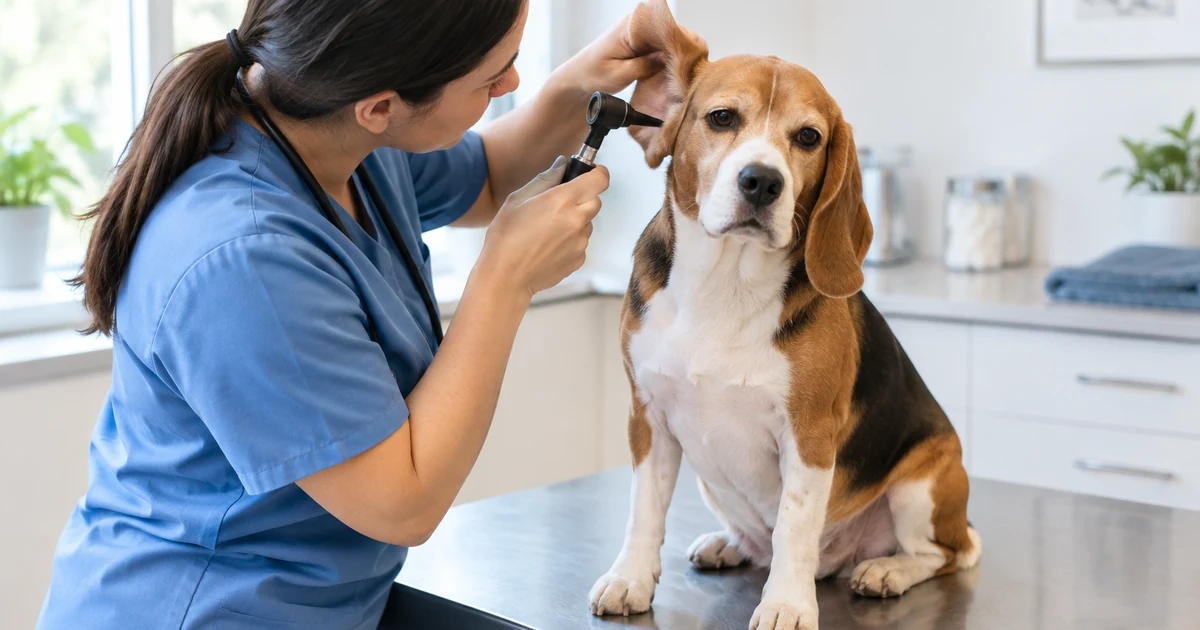
- Exam and ear check. Your vet looks at the ear flap and canal and usually takes a swab for cytology to find out what is causing the irritation.
- Pre-anesthetic tests. If surgery or heavy sedation is planned, bloodwork checks that your dog is a good candidate for anesthesia.
- The procedure. Surgery typically takes 30 to 60 minutes, and most dogs go home the same day. Drainage is quicker and may be done under light sedation.
- Home care. Expect a cone, pain relief and ear medication for the underlying problem. Some dogs go home with a bandage or a drain that needs checking.
- Rechecks. Plan on one to three follow-up visits for bandage changes, drain removal or suture removal, usually over two to three weeks. Full healing of the ear flap can take a few weeks longer.
When comparing quotes, check how many rechecks are included. Two clinics with the same surgery price can end up quite different once follow-up visits are added.
What Affects the Cost
Size of your dog
Anesthesia and surgical time scale with weight, so a giant breed can cost roughly twice as much as a small dog for the same repair.
Treatment approach
Drainage is cheaper per visit but can need repeating. Surgery costs more up front but often means fewer return trips.
Underlying ear disease
A simple outer ear infection may add $100 to $250 to the bill. Chronic or allergic ear disease needs longer management, and severe cases can lead to much more expensive care.
Clinic type and region
Nonprofit and low-cost clinics are often the cheapest, general practices sit in the middle, and specialty or emergency hospitals charge the most. Prices in large coastal cities run well above those in the Midwest and South.
Age and health
Senior dogs or dogs with other conditions may need more thorough bloodwork and closer anesthetic monitoring, which adds to the cost.
Could pet insurance cover a bill like this?
Accident & illness plans typically reimburse 70–90% of eligible vet costs after the deductible, if the condition is not pre-existing and the waiting period has passed. Premiums for dogs average about $62/month and for cats about $32/month (NAPHIA, 2025).
Coverage is subject to each policy’s terms, exclusions and state availability.Does Pet Insurance Cover Ear Hematoma Surgery?
Accident-and-illness plans commonly reimburse ear hematoma treatment, including diagnostics, surgery and medication, once waiting periods have passed. Accident-only plans may cover it when the hematoma follows an injury, but they usually exclude the ear infections and allergies behind most cases.
Pre-existing conditions are excluded. If your dog had ear infections or a hematoma before coverage started, related claims may be denied, so chronic ear problems are worth mentioning when you compare policies. Coverage is always subject to each policy’s terms. Our guide is pet insurance worth it? walks through the math.
Signs to Watch For
An ear hematoma usually looks like a soft, puffy swelling on the inside of the ear flap, often after a lot of head shaking or scratching. Book a visit with your vet if you notice:
- A swollen, warm or fluid-filled ear flap
- Frequent head shaking, ear scratching or head tilting
- Redness, odor or discharge from the ear canal
Contact your vet or an emergency vet right away if your dog also has a head tilt with loss of balance, circling, bleeding that won’t stop, or seems to be in severe pain. Early treatment usually means a simpler procedure, and a long-standing hematoma can scar and thicken the ear.
How to Save Money
- Ask for a written estimate for both drainage and surgery, including rechecks, so you can compare the full cost of each path.
- Check nonprofit and low-cost clinics, which often publish surgery prices that include the exam, anesthesia and follow-up.
- Ask whether rechecks and suture removal are bundled into the surgery price.
- Book with your regular vet during office hours rather than an emergency hospital when your vet says it can wait.
- Use financing such as CareCredit or Scratchpay if the bill is due all at once.
- Treat ear infections early. Keeping up with your vet’s ear-care plan is the best way to avoid another hematoma.
- Soft dog recovery cone (e-collar)Check price on Amazon
- Dog ear cleaning solutionCheck price on Amazon
For more on routine and urgent visit fees, see our vet visit cost and emergency vet cost guides, and read how we estimate costs.
Frequently Asked Questions
How much does aural hematoma treatment cost for a dog?
Needle drainage usually costs $250 to $900 all-in, a drain or cannula $450 to $1,200, and surgical repair $800 to $1,900 at a general vet for a medium-size dog. Large and giant breeds and specialty hospitals cost more.
Is draining an ear hematoma cheaper than surgery?
Per visit, yes. But hematomas often refill after drainage, so repeat visits can add up. Your vet can explain which option suits your dog and what the full cost of each path is likely to be.
Why does my vet want to treat the ear infection too?
Most ear hematomas start with head shaking or scratching caused by an ear infection, allergies or mites. Treating that cause is part of the plan and helps prevent another hematoma, so expect ear cytology and medication on the bill.
Does pet insurance cover dog ear hematoma surgery?
Accident-and-illness plans usually cover it after waiting periods, as long as the hematoma and related ear problems are not pre-existing. Accident-only plans often exclude the ear disease behind it. Check your policy terms.
Can an ear hematoma go away on its own?
Some small hematomas are slowly reabsorbed, but the ear can scar and thicken, and the cause still needs attention. Have your vet examine the ear rather than waiting it out.
Not veterinary advice. Prices are estimates for budgeting, not quotes. Ask your veterinarian for a written, itemized estimate. If your pet is injured, in pain or acting unwell, contact your vet or an emergency animal hospital right away.