Dog Ate Turkey Bones? Do This First
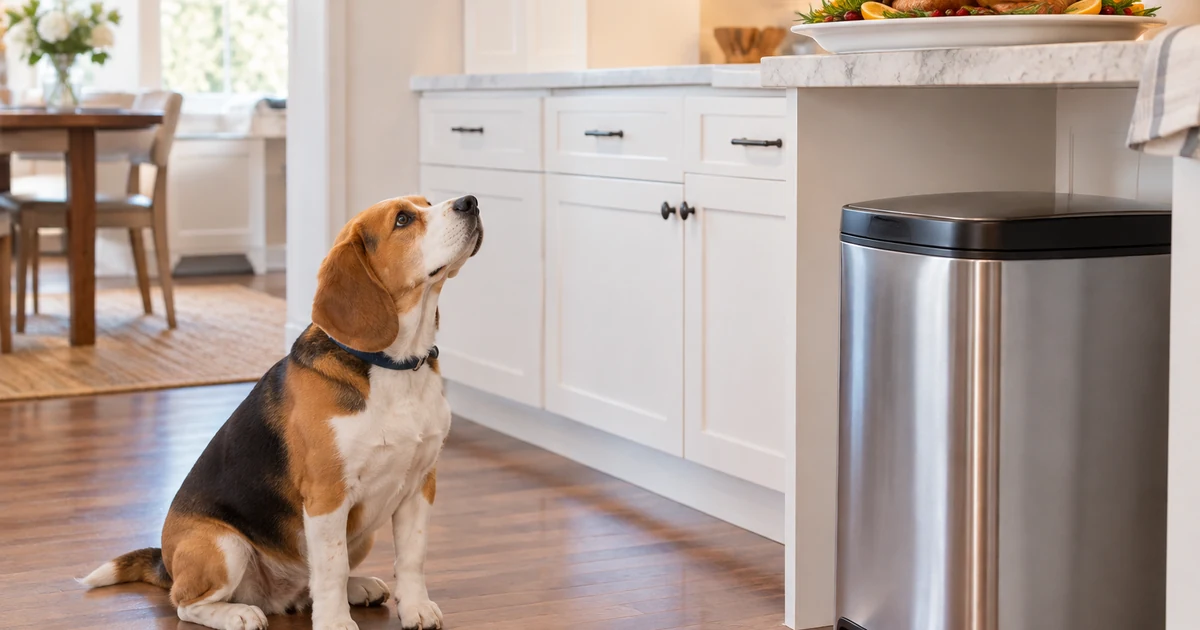
Turkey bones are a holiday classic for vet ER teams: the carcass sits on the counter, the trash bag is full, and a dog finds it. Cooked poultry bones are brittle and can splinter into sharp pieces. The ASPCA calls poultry bones a major choking hazard, and the FDA warns that bones can get stuck in a pet’s esophagus, stomach or intestines.
- Check for choking. If your dog is gagging, pawing at the mouth, struggling to breathe or can’t swallow, go to the nearest emergency hospital right away.
- Take the rest away and keep the carcass or bag so you can tell the vet roughly how much is missing.
- Call your vet or an emergency hospital with your dog’s weight, what was eaten (bones, skin, drippings, string, foil, the pop-up timer) and when.
- Don’t induce vomiting at home and don’t give home remedies unless a vet tells you to.
- Follow the plan you’re given, which may be an exam and X-rays now or close monitoring at home with a list of warning signs.
This page explains costs so you can plan. It is not a substitute for your vet’s advice.
Dog Ate Turkey Bone Vet Cost by Treatment Level
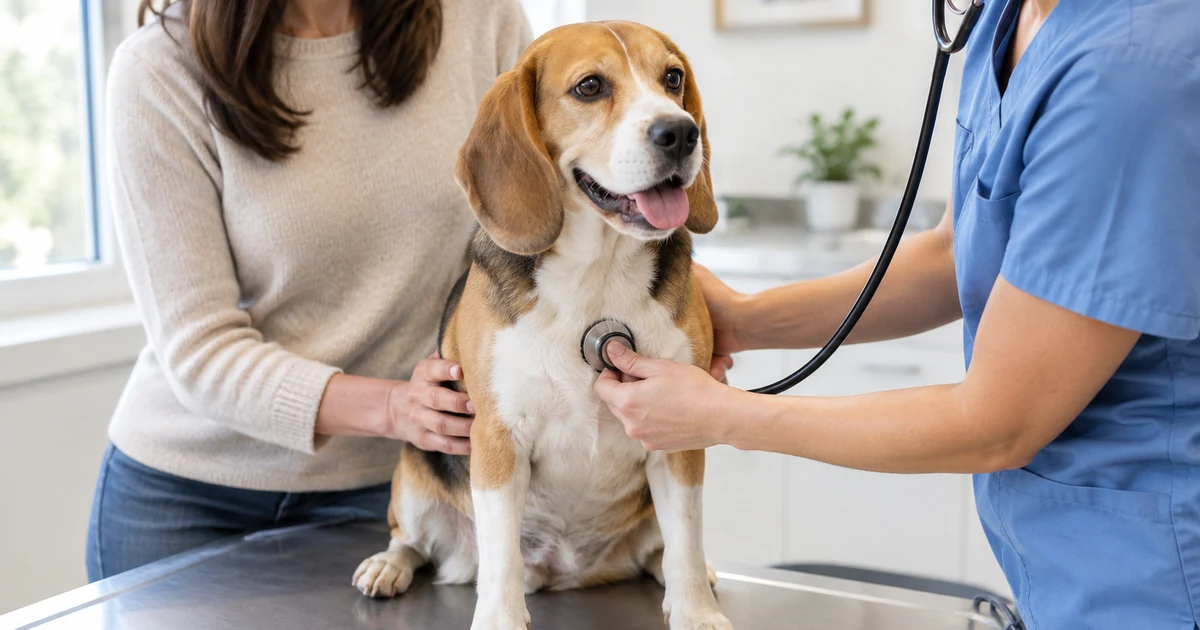
Most dogs that eat turkey bones need an exam and X-rays, then careful watching. A smaller share need a procedure. The table shows typical general-practice prices; emergency hospitals usually charge 25–50% more, and more on holidays.
| What happens | Typical cost | When it’s usually needed |
|---|---|---|
| Phone triage with your own vet | Often free | Always the first step |
| Exam + X-rays, monitoring at home | $250–$600 | Bone pieces are small and moving, dog is comfortable |
| Exam, X-rays, medication and recheck X-rays | $400–$900 | The vet wants to confirm the pieces are passing |
| Endoscopic removal | $1,000–$2,500 | A bone is stuck in the throat (esophagus) or stomach |
| Hospital care for pancreatitis or severe gastroenteritis | $1,500–$3,500 | Fatty skin, drippings or gravy were eaten too |
| Abdominal surgery | $2,000–$7,500 | Blockage, perforation or a bone that can’t be reached by scope |
Surgery ranges match our guide to dog blockage surgery cost, and imaging prices match our dog X-ray cost guide.
What’s Included in the Bill
| Line item | Typical price |
|---|---|
| Exam (regular vet / emergency hospital) | $60–$100 / $100–$250 |
| X-rays, 2–3 views | $150–$400 |
| Recheck X-rays a day or two later | $150–$300 |
| Bloodwork (CBC and chemistry) | $100–$250 |
| Abdominal ultrasound | $300–$800 |
| Anti-nausea and stomach-protecting medication | $40–$120 |
| Sedation or anesthesia for a procedure | $200–$600 |
| Hospitalization with IV fluids, per day | $500–$1,500 |
Ask for an itemized estimate before anything beyond the exam. Most clinics will give you a low and high figure, and the final bill usually lands between them.
Why Cooked Turkey Bones Are a Problem
Cooking dries bone out, so cooked turkey bones break into hard, angular shards instead of bending. Veterinary emergency groups list the main risks as choking, cuts to the mouth and throat, punctures of the esophagus, stomach or intestines, blockages, broken teeth, and bacterial illness from raw or undercooked bones.
Bones are not the only Thanksgiving risk
Turkey skin, fat trimmings, drippings and gravy are very rich. The ASPCA warns that high-fat foods can lead to pancreatitis in dogs, which often needs a hospital stay. Strings, netting, skewers, foil and the pop-up timer can also be swallowed with the carcass. Tell your vet about everything that may have been in the bag.
Worked Example: One Turkey Carcass, Three Different Bills
This is a transparent calculation using the price ranges above, not a real case and not a substitute for calling your vet. Take a 50-lb dog that pulls a turkey carcass out of the trash on Thanksgiving night:
- Scenario 1: pieces are small and moving. ER exam ($175) + three-view X-rays ($300) + medication ($60) = about $535. Add a recheck X-ray at your regular vet two days later ($200) and the total is about $735.
- Scenario 2: a bone is stuck in the esophagus. ER exam ($175) + X-rays ($300) + endoscopic removal under anesthesia ($1,800) = about $2,275, often with one night of monitoring on top.
- Scenario 3: a blockage or tear. Exam and imaging ($775 with ultrasound) + abdominal surgery and 2–3 days in hospital ($4,000–$6,000) = roughly $4,800–$6,800.
The lesson for your budget: the first call and an X-ray are the cheap part. Calling quickly gives your vet the best chance to act before a bone causes a blockage, which is what turns a few hundred dollars into a few thousand.
What Affects the Cost
Where the bone ends up
A bone stuck in the esophagus or sitting in the stomach can often be reached with an endoscope, with no incision. A bone lodged in the intestine, or one that has torn the gut wall, usually means surgery and a longer hospital stay.
Your dog’s size
Small dogs have narrower throats and intestines, so a piece that a large dog passes can get stuck in a small one. Larger dogs need more anesthesia, fluids and medication if a procedure is needed, which raises the price.
Emergency hospital vs regular vet
Thanksgiving night and the long weekend mean many regular clinics are closed. 24/7 hospitals charge higher exam fees and higher rates for the same tests; see our emergency vet cost guide for typical ER fees.
What else was eaten
Fatty skin and drippings add a pancreatitis risk, and string or foil add a blockage risk. Bloodwork and an ultrasound are more likely when the vet is looking for these, which adds $400–$1,050 to the bill.
Where you live
Clinics in large coastal cities often charge 20–40% more than rural practices. Embrace notes that foreign-body surgery in cities like New York or Los Angeles can cost at least $1,000 more.
Could pet insurance cover a bill like this?
Accident & illness plans typically reimburse 70–90% of eligible vet costs after the deductible, if the condition is not pre-existing and the waiting period has passed. Premiums for dogs average about $62/month and for cats about $32/month (NAPHIA, 2025).
Coverage is subject to each policy’s terms, exclusions and state availability.Does Pet Insurance Cover a Dog Eating Turkey Bones?
Accident and accident-and-illness plans usually treat swallowing a foreign object as an accident, so exams, X-rays, endoscopy and surgery are commonly eligible after the deductible. Pancreatitis is usually covered as an illness on accident-and-illness plans, but not on accident-only plans. Coverage does not apply during the waiting period or to a condition that is pre-existing, and you normally pay the clinic first and claim afterward.
Embrace’s published example of a Labrador’s foreign-body surgery shows how this works: a bill of about $3,830 led to a payout of about $2,640 with a $300 deductible and 80% reimbursement. Coverage is subject to each policy’s terms, exclusions and state availability. Our guide is pet insurance worth it? walks through the math.
Signs to Watch After Your Dog Ate Turkey Bones
If your vet asks you to monitor at home, watch closely for several days. Contact your vet or an emergency hospital right away if you see:
- Gagging, retching, drooling or repeated swallowing
- Vomiting, especially more than once, or trying to vomit with nothing coming up
- Refusing food or water
- A tense, swollen or painful belly, or a hunched posture
- Straining to poop, no stool, diarrhea, or blood in the stool
- Lethargy, hiding or restlessness
Signs of a blockage can appear hours or days later, so a dog that seems fine on Thanksgiving night still needs watching over the weekend.
Questions to Ask Your Vet
- Can you see the bone pieces on the X-ray, and where are they?
- Do you recommend monitoring at home, a recheck X-ray, or a procedure now?
- What signs mean I should bring my dog back immediately?
- If a procedure is needed, is endoscopy possible, or is surgery more likely?
- Can I have a written estimate with a low and high range?
- Do you offer a payment plan or accept CareCredit or Scratchpay?
How to Save Money (Without Delaying Care)
- Call your regular vet first during open hours. Many offer phone triage and can see your dog the same day for less than an ER.
- Ask about step-by-step care: an exam and X-rays first, then recheck X-rays only if needed, rather than every test on day one.
- Ask for an itemized estimate before treatment and question anything you don’t understand.
- Use financing if you need it. Our guide on how to pay for vet bills covers CareCredit, Scratchpay and payment plans.
- Prevent the next visit: carve the turkey away from the counter edge, take the carcass straight to an outdoor bin, and use a trash can with a locking lid.
- Brief your guests that the dog doesn’t get table scraps, skin or bones, and keep the dog in another room during the meal if needed.
- Dog-proof kitchen trash can with locking lidCheck price on Amazon
Holiday food emergencies tend to come in clusters. If your dog also got into dessert, see our guide to the dog ate chocolate vet cost. And if your dog ate turkey bones today, the cheapest and safest step is still the same: call your vet now.
Frequently Asked Questions
My dog ate turkey bones but seems fine. Do I still need to call the vet?
Yes. Call your vet or an emergency hospital even if your dog seems normal. Problems such as a blockage or a small tear can take hours or days to show, and your vet can decide whether X-rays are needed now or whether careful monitoring at home is reasonable.
Should I make my dog throw up after eating turkey bones?
Not unless a veterinarian tells you to. Sharp cooked bone fragments can injure the throat on the way back up, which is why vets usually assess the situation with an exam and X-rays first.
How much does it cost if my dog ate turkey bones?
Most visits cost $250 to $600 for an exam and X-rays, about $425 typical at a regular vet. Endoscopic removal costs $1,000 to $2,500 and surgery for a blockage or perforation costs $2,000 to $7,500. Emergency hospitals usually charge 25–50% more.
Can a dog digest a cooked turkey bone?
Some small pieces do pass, but cooked turkey bones splinter and can cause choking, cuts, blockages or punctures. Only your vet can judge the risk for your dog, usually with X-rays, so call rather than wait and see.
What if my dog ate the whole turkey carcass?
Call an emergency vet right away. A whole carcass means many bones plus a large amount of fatty skin, so the vet may check both for bone fragments and for pancreatitis risk. Bring or describe the packaging, string and any pop-up timer that may be missing.
- U.S. FDA — Potentially Dangerous Items for Your Pet
- ASPCA — Thanksgiving Safety Tips for Pets
- Veterinary Emergency Group — 6 Reasons Dogs Shouldn't Eat Turkey Bones
- Embrace Pet Insurance — Cost of surgery to remove a swallowed foreign object (updated Sept. 2025)
- Pawlicy Advisor — Pancreatitis in dogs: treatment cost
- Sploot Veterinary Care — Ingested foreign body removal (endoscopy vs surgery)
Not veterinary advice. Prices are estimates for budgeting, not quotes. Ask your veterinarian for a written, itemized estimate. If your pet is injured, in pain or acting unwell, contact your vet or an emergency animal hospital right away.