Pyometra Surgery Cost by Pet Size
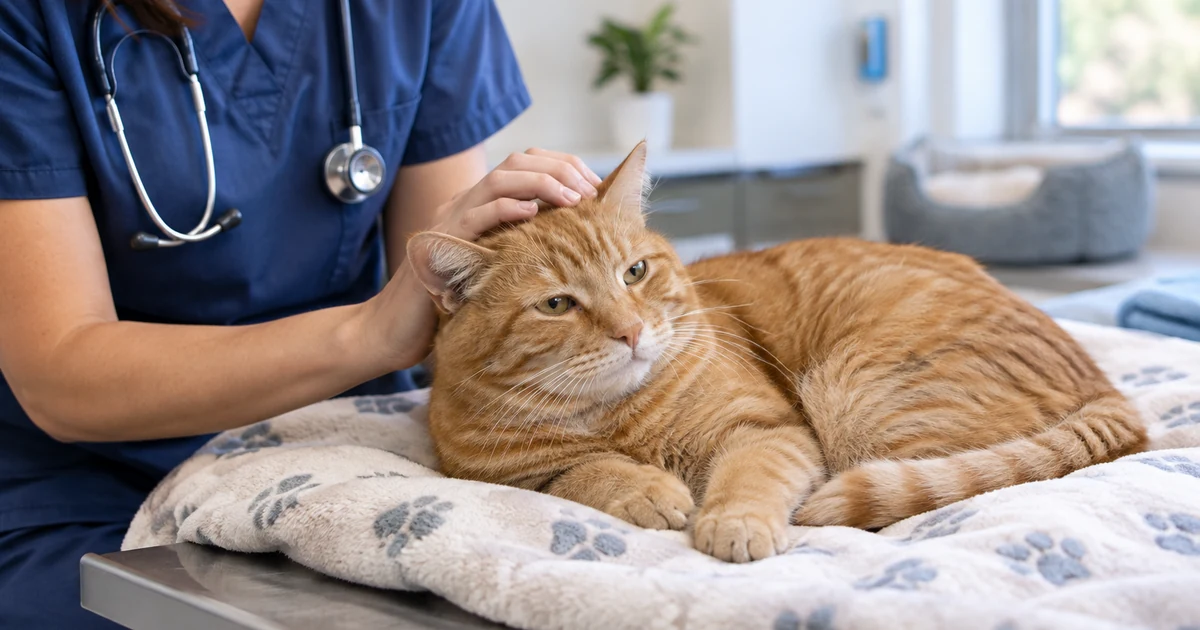
Pyometra is a serious infection of the uterus in unspayed females. The usual treatment is an emergency spay to remove the infected uterus, along with fluids, antibiotics, pain control and monitoring. Size matters because larger dogs have a larger, heavier uterus, need more anesthesia and medication, and take longer in surgery.
| Pet | General vet (business hours) | Emergency / after-hours hospital |
|---|---|---|
| Cat | $950–$2,200 | $1,700–$4,000 |
| Small dog (under 25 lb) | $1,150–$2,500 | $2,050–$4,500 |
| Medium dog (25–50 lb) | $1,350–$2,800 | $2,450–$5,050 |
| Large dog (50–90 lb) | $1,550–$3,300 | $2,800–$5,950 |
| Giant dog (90+ lb) | $1,850–$3,800 | $3,350–$6,850 |
These ranges include an exam, bloodwork, abdominal imaging, surgery and anesthesia, IV fluids, injectable antibiotics, pain medication and about one night in the hospital. For a medium-sized dog at a general vet, most owners pay around $2,200. Extra nights, a ruptured uterus or a very sick patient push the total higher.
Nonprofit and low-cost clinics can be much cheaper. One rescue clinic lists an all-inclusive pyometra spay at $450 for dogs and $250 for cats, a surgery-focused practice in Michigan lists $900 to $1,200 for dogs and $650 for cats (surgery only), and Prevent A Litter says pyometra surgery typically costs $1,000 to $2,000. Availability is limited and many of these programs serve low-income owners first.
Emergency Pyometra Spay vs. Routine Spay
A pyometra surgery is technically a spay, but the price is in a different league. A routine spay is planned, done on a healthy pet, and is usually a same-day procedure. A pyometra spay is done on a sick patient, often at short notice, with a swollen, fragile uterus that has to be removed carefully without leaking infection into the abdomen.
| Routine spay | Pyometra (emergency) spay | |
|---|---|---|
| Dog, general vet | $350–$1,000 (typically about $500) | $1,500–$3,000 (typically about $2,200) |
| Cat, general vet | $300–$600 (typically about $350) | $1,000–$2,500 |
| Low-cost / nonprofit clinic | $50–$400 dogs, $50–$175 cats | About $250–$2,000 |
| Emergency hospital | Rarely done there | $3,000–$6,000+ |
| Patient | Healthy, planned | Sick, sometimes septic or dehydrated |
| Hospital stay | Usually home the same day | Often 1–3 nights on IV fluids |
| Extras | Optional bloodwork, cone | Bloodwork, imaging, IV antibiotics, more pain control |
See our full guides to the cost to spay a dog and the cost to spay a cat. Spaying before problems develop removes the risk of pyometra entirely, which is one reason vets discuss spaying for females not intended for breeding.
What’s Included in the Price
A pyometra invoice has more lines than a routine spay. These are typical ranges from published vet cost guides and real invoices:
| Item | Typical cost |
|---|---|
| Exam (general vet / emergency) | $70–$100 / $100–$250 |
| Bloodwork (CBC and chemistry) | $100–$285 |
| Abdominal x-rays | $150–$250 |
| Abdominal ultrasound | $300–$600 |
| Vaginal cytology | About $40 |
| IV catheter and fluids | $50–$500 |
| Surgery fee | $200–$1,500 |
| Anesthesia and monitoring | $110–$350 |
| Hospitalization | $200–$630 per night (1–3 nights typical) |
| Injectable antibiotics | $20–$240 |
| Pain management | $50–$150 |
| Take-home medications | $30–$80 |
| Follow-up visits | $100–$300 total |
Imaging is common because it helps the vet see how enlarged the uterus is and check for other problems. Our dog ultrasound cost guide goes deeper on that line item.
Open vs. Closed Pyometra
Vets describe pyometra as open or closed, depending on whether the cervix is open and pus can drain out.
- Open pyometra: there is usually a vaginal discharge, which may be cream-colored, bloody or foul-smelling. Signs often develop more gradually, so it may be caught earlier.
- Closed pyometra: pus builds up inside the uterus with no discharge. MetLife Pet Insurance notes that signs often appear quickly and are usually severe. The uterus can rupture, which is life-threatening.
How it changes the bill
An open pyometra caught early often means a more straightforward surgery and a shorter stay. A closed or ruptured pyometra usually means a sicker patient, more intensive fluids and antibiotics, abdominal flushing if the uterus has ruptured, and more nights in the hospital. That can add $500 to $1,500 or more to the bill at a general vet, and more at an emergency hospital.
Medical management
For some open pyometra cases, especially in valuable breeding females, vets may discuss medical treatment with hormone injections, fluids and antibiotics instead of surgery. MetLife notes this is not an option for severely ill pets or closed pyometra. It usually involves several days of treatment and rechecks, and the condition can come back, so ask your vet to compare both the cost and the outlook.
What Affects the Cost of Pyometra Surgery
Size and weight
A giant-breed dog can cost roughly twice as much as a small dog, because of longer surgery time, more anesthesia, more fluids and weight-based medication.
How sick she is
Dehydration, infection in the bloodstream (sepsis), kidney changes or a ruptured uterus all add monitoring, lab work and hospital days. Pets seen early, while still eating and alert, usually have the simplest and cheapest course.
Clinic type and timing
Emergency and after-hours care is the biggest price jump. One invoice-based cost guide puts after-hours pyometra surgery at 50% to 100% above daytime rates, and one veterinary hospital puts its emergency surcharge at 15% to 57%. If your regular vet can operate the same day, it is often less expensive, but never delay surgery to wait for business hours. Our emergency vet cost guide explains typical ER fees.
Age and overall health
Pyometra is more common in middle-aged and older unspayed females. Older pets may need more bloodwork, closer anesthesia monitoring and longer recovery.
Region
Prices are higher in large cities and high-cost states, and lower in rural areas and at nonprofit clinics.
Pyometra in Cats
Cats get pyometra too, typically intact females around six years or older, according to Cats.com, though younger cats can be affected. Cats often groom away discharge, so an open pyometra can be easy to miss.
Surgery for a cat generally costs $1,000 to $2,500, with emergency or specialty hospitals reaching about $4,000. Nonprofit clinics can be far lower, from about $250 at some rescue clinics. Cats rarely need as many hospital nights as large dogs, which keeps the bill down.
Could pet insurance cover a bill like this?
Accident & illness plans typically reimburse 70–90% of eligible vet costs after the deductible, if the condition is not pre-existing and the waiting period has passed. Premiums for dogs average about $62/month and for cats about $32/month (NAPHIA, 2025).
Coverage is subject to each policy’s terms, exclusions and state availability.Does Pet Insurance Cover Pyometra Surgery?
Pyometra is an illness, so accident-and-illness policies may cover the diagnostics, surgery, hospitalization and medication, as long as the condition started after enrollment and the illness waiting period. Routine spays are generally not covered by standard policies, but an emergency spay to treat pyometra is treated differently because it is medically necessary.
- Pre-existing conditions: signs of pyometra before enrollment or during the waiting period usually mean it will not be covered.
- Accident-only plans: do not cover pyometra, since it is an illness.
- Reimbursement: after your deductible, the policy pays its reimbursement percentage up to the annual limit; some plans exclude exam fees.
- Wellness add-ons: some reimburse part of a routine spay, which prevents pyometra in the first place.
Coverage is subject to each policy’s terms, exclusions and state availability. To weigh premiums against bills like this one, see is pet insurance worth it.
Signs of Pyometra: When to Go to the Emergency Vet
Pyometra often appears a few weeks to a couple of months after a heat cycle, when hormone levels change the lining of the uterus. It can become life-threatening quickly.
Contact your vet or an emergency hospital now if an unspayed female dog or cat has:
- A vaginal discharge that is creamy, bloody or foul-smelling
- Drinking and urinating much more than usual
- Lethargy, weakness or not eating
- Vomiting
- A swollen or painful belly
- Pale gums or collapse
A closed pyometra may show no discharge at all, so these signs matter even without it. Pyometra is not something to wait out or treat at home.
Questions to Ask Your Vet
- Is this estimate all-inclusive, or surgery only? What is not included?
- How many nights in the hospital do you expect, and what is the charge per night?
- What would raise the estimate (rupture, sepsis, extra imaging)?
- Can surgery be done here today, or will she need to go to an emergency hospital?
- What recheck visits and medications will she need afterward?
- Do you offer payment plans or accept financing?
How to Save Money on Pyometra Surgery
- Spay before it happens: a routine spay costs a fraction of pyometra surgery and removes the risk.
- Act on early signs: a pet seen early is usually less sick, which means fewer hospital nights and a smaller bill.
- Call your regular vet first during the day: many general practices can do the surgery the same day for less than an ER, but go straight to an ER if she is very ill or it’s after hours.
- Ask nonprofit clinics and humane societies: some offer pyometra surgery at reduced prices or have assistance funds.
- Check veterinary schools: teaching hospitals may have lower fees or assistance programs.
- Get an itemized estimate: compare all-inclusive quotes rather than surgery-only fees.
- Use financing if needed: CareCredit and Scratchpay can spread the cost. See how to pay for vet bills for more options.
- Soft recovery cone or surgical recovery suitCheck price on Amazon
Frequently Asked Questions
How much does pyometra surgery cost for a dog?
Most dogs cost $1,500 to $3,000 at a general vet, and a medium-sized dog typically runs about $2,200 including bloodwork, imaging, surgery and a night in the hospital. Emergency and after-hours hospitals often charge $3,000 to $6,000 or more. Nonprofit clinics can be much cheaper where available.
Why does pyometra surgery cost so much more than a spay?
A pyometra spay is done on a sick patient with an enlarged, infected uterus, often as an emergency. It usually needs bloodwork, imaging, IV fluids, antibiotics, extra pain control and one or more nights in the hospital, none of which a routine spay on a healthy pet typically requires.
How much does pyometra surgery cost for a cat?
Cat pyometra surgery usually costs $1,000 to $2,500, with emergency or specialty hospitals reaching about $4,000. Some nonprofit and rescue clinics charge far less, from around $250.
Is pyometra an emergency?
Yes. Pyometra can become life-threatening, especially a closed pyometra where the uterus can rupture. Contact your vet or an emergency hospital right away if an unspayed female has discharge, drinks much more, vomits, stops eating or seems weak.
Does pet insurance cover pyometra?
Accident-and-illness policies may cover pyometra surgery as a medically necessary treatment if it begins after enrollment and the waiting period. Routine spays usually are not covered by standard policies, and accident-only plans do not cover pyometra. Coverage is subject to each policy’s terms, exclusions and state availability.
Not veterinary advice. Prices are estimates for budgeting, not quotes. Ask your veterinarian for a written, itemized estimate. If your pet is injured, in pain or acting unwell, contact your vet or an emergency animal hospital right away.