Dog X-Ray Cost by Type of Study
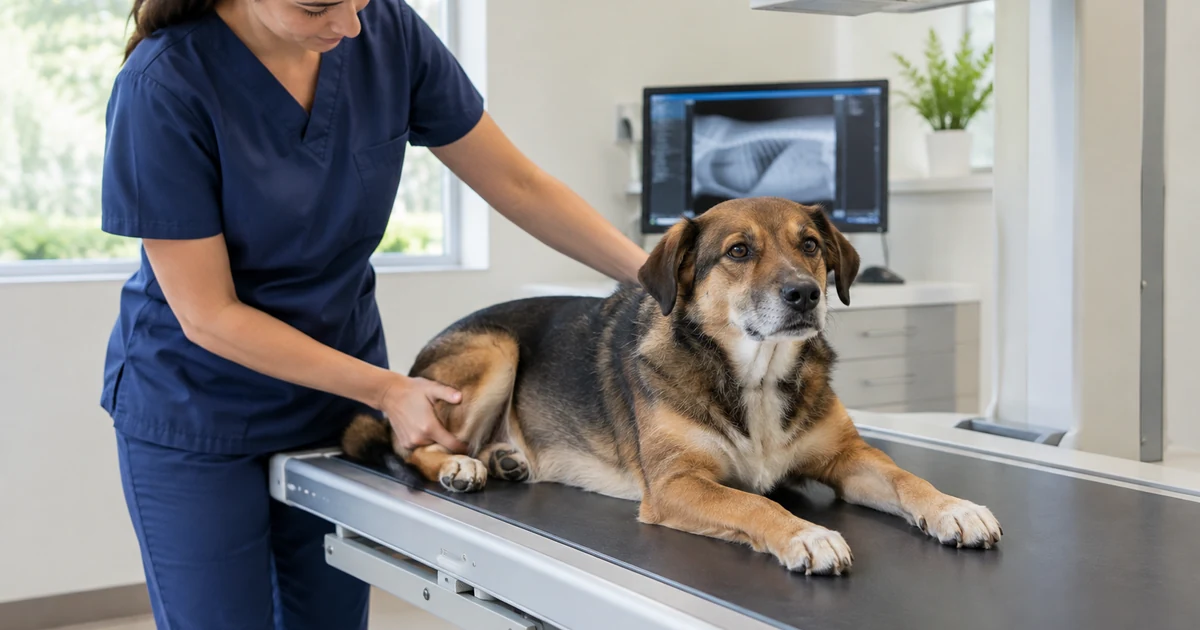
Vets price radiographs per image (or “view”), so the biggest driver is how many views your dog needs. One suspected broken toe might need a single image; a coughing dog usually gets a chest study with two or three views; a dog that swallowed something may need both chest and abdomen.
| Type of x-ray | General vet | Emergency / specialty hospital (est.) |
|---|---|---|
| Single view (1 image) | $75–$150 | $120–$250 |
| Each additional view | $90–$100 | $120–$175 |
| Standard study, one area (2–3 views: chest, abdomen, a leg or hip) | $150–$250 | $250–$500 |
| Broken bone / orthopedic series | $150–$400 | $250–$600 |
| Several areas (4–6 views) | $300–$550 | $450–$900 |
| Contrast study (barium series) | $200–$500 | $350–$800 |
| Dental x-rays (per image) | $40–$125 | n/a (done at the dental visit) |
Most owners pay about $250 for a standard two- or three-view study at a general vet once the exam fee is added. Size matters too: larger dogs need larger plates and often an extra set of hands to position, which is why giant breeds tend to land at the top of each range. Emergency figures are estimates based on ER pricing typically running 1.5 to 2 times general-practice rates.
What’s Included in the Price
An x-ray visit is rarely just the images. Ask for an itemized estimate so you can see each line:
- Exam or consultation fee: $50–$90 at a general vet; emergency exam fees typically run about $107–$246.
- The radiographs themselves: $75–$150 for the first view, around $90–$100 for each additional view.
- Sedation (if needed): about $50–$250 depending on the drug and your dog’s size. Full general anesthesia runs roughly $200–$400.
- Pre-sedation bloodwork (older dogs or anesthesia): $55–$200.
- Radiologist review: many clinics send images to a board-certified veterinary radiologist. Routine reads typically cost the clinic $75–$125 per study, and rush (STAT) reads $135–$350; that cost is usually passed on.
- IV fluids during sedation: about $60–$80 when used.
What Affects the Cost of a Dog X-Ray
Number of views and body area
Each image is billed, so a chest study plus an abdominal study costs roughly twice a single-area study. Spine, skull and hip views are harder to position and may need sedation, which adds to the total.
Size and temperament
A calm small dog can often be x-rayed awake in a few minutes. A large, painful or anxious dog may need sedation so the images are sharp and nobody gets hurt, adding $50–$250.
Clinic type
Nonprofit and low-cost clinics charge the least, general practices sit in the middle, and emergency or specialty hospitals charge the most because they run 24/7 with specialized staff. Expect ER x-rays to cost roughly 1.5 to 2 times the general-practice price.
Region
Vets in large cities and high-cost states generally charge more than rural clinics for the same study. Use the region setting in the estimator above to adjust.
Specialist interpretation and follow-up
If the first images raise questions, your vet may suggest a radiologist review, repeat x-rays to check healing, or a different type of imaging.
Dental X-Rays for Dogs
Dental radiographs are a separate category. They use small intraoral films or sensors and are taken while your dog is under anesthesia for a dental cleaning, because most of each tooth sits below the gumline where it can’t be seen.
Clinics charge about $40–$125 per dental image, but many bundle a full-mouth set into the dental procedure price, often adding $100–$250 to the bill. Full-mouth x-rays help your vet spot fractured roots, abscesses and bone loss, and they’re commonly taken before a tooth extraction to plan the procedure. When comparing dental quotes between clinics, check whether x-rays are included, since a lower quote without them isn’t really comparing like with like.
X-Ray vs Ultrasound vs CT vs MRI
X-rays are usually the first and most affordable imaging test. Other options cost more and are used when x-rays can’t show enough detail.
| Imaging | Typical cost | Often used for |
|---|---|---|
| X-ray (2–3 views) | $150–$250 | Bones, chest, swallowed objects, bladder stones |
| Ultrasound (abdominal) | $250–$600 | Soft-tissue organs, fluid, masses |
| Echocardiogram (heart ultrasound) | $400–$800 | Heart structure and function |
| CT scan (with anesthesia) | $1,500–$3,500 | Nasal disease, complex fractures, surgical planning |
| MRI | $2,500–$6,000 | Brain and spinal cord |
Your vet will recommend the test that fits the situation; x-rays and ultrasound are often used together rather than one replacing the other.
Could pet insurance cover a bill like this?
Accident & illness plans typically reimburse 70–90% of eligible vet costs after the deductible, if the condition is not pre-existing and the waiting period has passed. Premiums for dogs average about $62/month and for cats about $32/month (NAPHIA, 2025).
Coverage is subject to each policy’s terms, exclusions and state availability.Does Pet Insurance Cover Dog X-Rays?
Most accident & illness policies cover diagnostic imaging, including x-rays, when they’re needed to diagnose or treat a covered accident or illness. You pay the vet, then submit a claim and receive a percentage of the bill back after your deductible.
- Accident-only plans cover x-rays after an injury (a fall, a bite, being hit by a car) but not for illnesses such as coughing or vomiting.
- Waiting periods apply after you enroll, usually a few days for accidents and around two weeks for illnesses, with longer periods on some plans for orthopedic problems.
- Pre-existing conditions are generally excluded, including imaging for a problem that showed signs before coverage started.
- Wellness add-ons focus on routine care (vaccines, checkups) and generally aren’t designed for diagnostic imaging.
Some policies also exclude exam fees. Coverage is subject to each policy’s terms, exclusions and state availability. For a full look at the numbers, see whether pet insurance is worth it.
When a Dog Needs X-Rays Urgently
Only your vet can decide whether x-rays are needed. Call your vet or an emergency vet right away if your dog:
- Was hit by a car, fell from a height or was attacked by another animal
- Won’t put weight on a leg, or a limb looks bent or swollen
- May have swallowed a toy, sock, bone or other object, especially with vomiting or a painful belly
- Has a swollen, tight abdomen or is retching without bringing anything up
- Is struggling to breathe, coughing hard or has pale gums
An emergency visit costs more than a scheduled one; our emergency vet cost guide explains typical ER bills.
How to Save Money on Dog X-Rays
- Ask for an itemized estimate before the images are taken, including how many views are planned.
- Use your regular vet when it’s not an emergency. A scheduled x-ray at a general practice usually costs far less than the same study at an ER. A standard vet visit is the cheapest starting point.
- Check nonprofit and shelter clinics and veterinary school teaching hospitals, which may offer lower diagnostic fees.
- Keep and share your images. Ask for digital copies so a second clinic or specialist doesn’t need to repeat them.
- Bundle imaging with a planned procedure. If your dog will already be sedated, for example for a dental cleaning, ask whether other needed x-rays can be done at the same time.
- Ask about payment plans. Many clinics accept CareCredit or Scratchpay, which spread the bill over several months (check interest terms).
- Consider insurance before problems start. Imaging is only covered for conditions that begin after enrollment and waiting periods.
Learn more about how we estimate costs.
Frequently Asked Questions
How much is an x-ray for a dog?
A single x-ray view usually costs $75–$150, and a standard two- or three-view study of one area runs about $150–$250 at a general vet. With the exam fee, most owners pay around $250. Emergency hospitals typically charge 1.5 to 2 times more.
Do dogs need to be sedated for x-rays?
Not always. Many calm dogs can be x-rayed awake in a few minutes. Sedation is more likely for painful injuries, anxious dogs, or views of the hips and spine that need precise positioning, and it typically adds $50–$250.
Why is my dog's x-ray bill higher than the quoted price?
Quotes are often per view, and your vet may need more views than first expected. Exam fees, sedation, bloodwork and a radiologist review are usually billed separately. Asking for an itemized estimate before imaging avoids surprises.
Is an ultrasound better than an x-ray for dogs?
They show different things. X-rays are best for bones, the chest and many swallowed objects, while ultrasound gives more detail on soft-tissue organs. Ultrasound usually costs $250–$600, and your vet will suggest the test that fits the situation.
Does pet insurance pay for dog x-rays?
Accident & illness policies usually reimburse x-rays needed to diagnose a covered accident or illness, after the deductible. Pre-existing conditions are excluded, and coverage is subject to each policy’s terms, exclusions and state availability.
Not veterinary advice. Prices are estimates for budgeting, not quotes. Ask your veterinarian for a written, itemized estimate. If your pet is injured, in pain or acting unwell, contact your vet or an emergency animal hospital right away.