Persian Cat Price by Source
Persians are one of the oldest and best-known pedigreed cat breeds in the US, so there are many sellers and a wide spread of prices. Where your kitten comes from, and how the parents were health-tested, matters more than coat color.
| Source | Typical price | What you usually get |
|---|---|---|
| Persian rescue or shelter | $150–$450 | Often an adult cat, vet-checked, vaccinated and spayed/neutered |
| CFA- or TICA-registered breeder, pet quality | $1,500–$3,500 | Kitten on a spay/neuter contract, first vaccines, PKD-tested parents, health guarantee |
| Show or breeding-rights kitten | $3,500+ | Kitten from titled lines, sold with show or breeding terms |
| Online ad or backyard breeder | $300–$1,000 | Usually no registration or parent DNA tests; higher risk of inherited problems or a scam |
ThePricer’s September 2026 review of US breeder listings found most health-tested Persian kittens priced around $1,700 to $3,000, with a practical budget range of $1,500 to $3,500. Hepper’s 2026 guide gives a wider $1,000 to $5,000. Most pet-quality kittens from established catteries sell for about $2,000 to $2,500.
Breed rescues are much cheaper. Persian and Himalayan rescues in the US typically charge about $150 to $450, and the fee often reflects the vet care the cat received before adoption.
Doll face vs. flat face (Peke-face) Persian price
The CFA show standard calls for the flat, “extreme” face many people picture when they think of a Persian. “Doll face” or “traditional” Persians have a longer nose and a less flattened face; they aren’t a separate breed or a registry show category. Prices for both styles fall in the same general range, and some breeders charge more for one style simply because of demand. The term “Peke-face” originally referred to a specific red tabby type; today it’s mostly used loosely for very flat faces.
A flatter face can come with more breathing, eye and dental problems, so it’s worth asking a breeder how their cats breathe, eat and handle warm weather, not just how they look.
Himalayan vs. Persian price
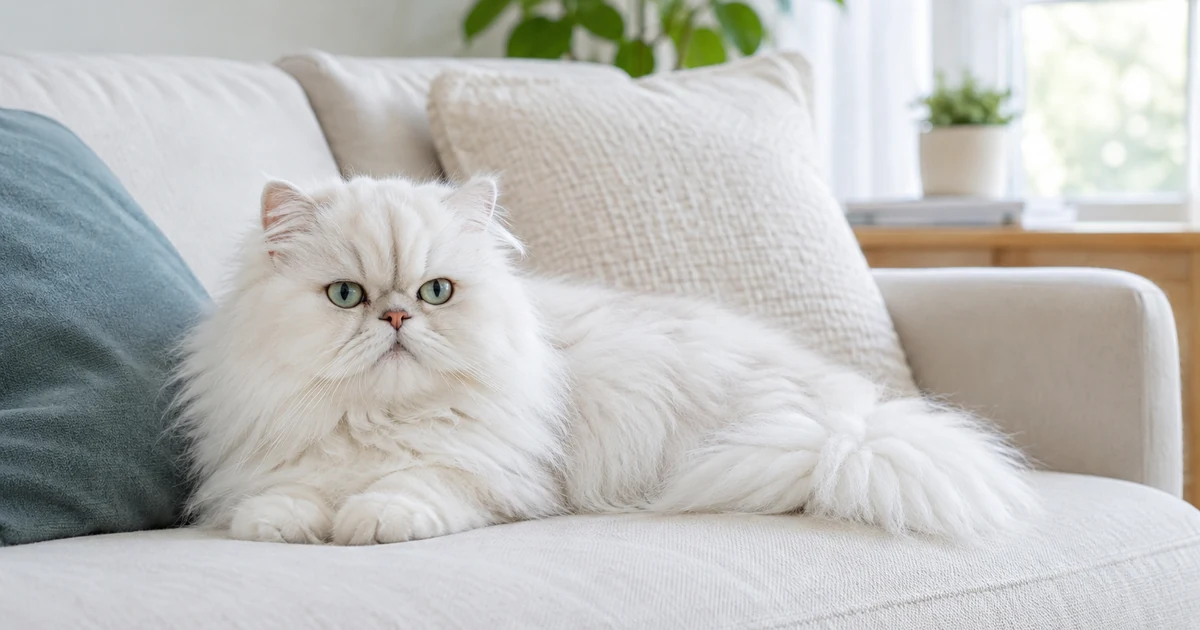
In CFA, the Himalayan is not a separate breed: it is the colorpoint division of the Persian, with a lighter body, darker ears, face, legs and tail, and blue eyes. Himalayan kittens are usually priced like other Persians from the same cattery. Rare colors and patterns sometimes carry a premium, but color doesn’t make a kitten healthier.
Persian Cat First-Year Cost
A Persian’s first year costs noticeably more than a typical cat’s, mainly because of the purchase price and grooming. Here’s a typical budget for a pet-quality kitten from a registered breeder.
| First-year expense | Typical cost |
|---|---|
| Persian kitten (pet quality, registered breeder) | $1,500–$3,500 |
| Kitten vet visits, vaccines, deworming, microchip | $300–$700 |
| Spay/neuter (if not already done) | $150–$500 |
| Supplies (litter box, carrier, bed, scratcher, steel comb, nail clippers) | $250–$550 |
| Food and litter (12 months) | $500–$1,000 |
| Professional grooming, 4 sessions | $240–$600 |
| Typical first-year total | $2,940–$6,850 (about $4,700) |
| Optional: pet insurance (12 months) | $300–$700 |
ThePricer’s own first-year scenario for an $1,800 kitten comes to about $3,500 to $5,500 once grooming is added, which matches these figures. If you adopt from a rescue, the total usually drops by $1,500 or more, and spay/neuter is typically already done. For a typical cat budget without the breed extras, see our cost of owning a cat guide.
Yearly Cost of a Persian Cat
After the first year, most Persian owners spend about $1,300 to $3,300 a year, or roughly $2,200 in a typical year. Grooming is the line that makes the biggest difference.
| Ongoing expense | Per year |
|---|---|
| Food and treats | $400–$900 |
| Litter | $180–$420 |
| Routine vet care (annual exam, boosters, parasite prevention) | $200–$500 |
| Professional grooming every 6–8 weeks | $390–$1,300 |
| Toys, scratchers, eye wipes, grooming supplies | $80–$200 |
| Total without insurance | about $1,250–$3,320 |
| Pet insurance (optional) | $300–$700 |
Grooming: the Persian’s biggest ongoing cost
The CFA describes Persian grooming as a serious commitment. A long, dense coat mats quickly, and mats pull on the skin and can trap dirt, moisture and litter. Most owners comb a Persian every day with a metal comb, and wipe around the eyes with a soft, damp cloth.
- Professional groom (bath, blow-dry, comb-out): about $60–$150 per visit; Thumbtack’s national average for cat grooming is about $122
- Lion cut or sanitary trim: often $60–$150, more if the coat is heavily matted or the cat needs sedation at a vet clinic
- Every 6 to 8 weeks: about $390–$1,300 a year, based on 6 to 9 visits
Doing most of the combing yourself, and booking a groomer every two or three months, keeps the cost near the low end. Letting mats build up usually makes each visit longer and more expensive.
Common Persian Cat Health Issues and Costs
Many Persians live long, comfortable lives, but the breed’s flat face and long coat come with some well-known risks. Knowing the likely costs helps you choose a breeder and budget.
| Condition | What it is | Typical cost |
|---|---|---|
| Brachycephalic airway problems | Narrow nostrils and a long soft palate that make breathing harder | Nostril widening (stenotic nares surgery): $200–$1,000; soft palate surgery: $500–$1,500 |
| Polycystic kidney disease (PKD) | Inherited kidney cysts that can lead to kidney failure | DNA test: $47 at UC Davis ($71 bundled with the Persian PRA test); diagnosis by abdominal ultrasound |
| Tear staining and eye problems | Shallow eye sockets and blocked tear drainage; eye irritation or ulcers | Sick visit: about $150–$500; daily cleaning at home costs little |
| Dental disease | Crowded, misaligned teeth in a short jaw | Cleaning at a general vet: $550–$1,100; extractions extra |
| Ringworm (dermatophytosis) | A contagious fungal skin infection that can also spread to people | Varies with the number of rechecks, cultures and weeks of treatment |
| Hypertrophic cardiomyopathy (HCM) | Thickened heart muscle, seen in many cat breeds | Echocardiogram: $400–$800 ($550–$1,100 with a cardiologist consult) |
Stenotic nares and soft palate figures come from Embrace Pet Insurance, which notes that Persians are the cat breed most affected by brachycephalic syndrome. Nose and palate surgery prices are often quoted for dogs as well as cats, so ask your vet for a cat-specific estimate.
PKD: why parent testing matters
The UC Davis Veterinary Genetics Laboratory estimates that over 37% of Persians have the PKD1 variant, which is inherited in a dominant pattern: one copy is enough to cause the disease. The Cornell Feline Health Center notes that cysts are present from birth, that signs most often appear around age seven, and that ultrasound is the only way to confirm the diagnosis. The CFA says genetic testing has brought PKD largely under control in responsible breeding programs.
Ask any breeder for the parents’ PKD1 DNA results (N/N, or “negative”). If you’re adopting an untested adult, your vet may suggest a DNA test or an abdominal ultrasound; our cat ultrasound cost guide covers what imaging usually costs.
Ringworm, eyes and teeth
Persians are thought to be predisposed to ringworm, and to more persistent cases, likely because of the long coat. The Cornell Feline Health Center notes treatment usually takes at least six weeks of repeated topical treatment, often with oral medication, so costs build up over several visits.
Dental care is another regular expense in flat-faced cats. Our cat teeth cleaning cost guide explains what a cleaning under anesthesia includes and why X-rays matter.
Could pet insurance cover a bill like this?
Accident & illness plans typically reimburse 70–90% of eligible vet costs after the deductible, if the condition is not pre-existing and the waiting period has passed. Premiums for dogs average about $62/month and for cats about $32/month (NAPHIA, 2025).
Coverage is subject to each policy’s terms, exclusions and state availability.Does Pet Insurance Cover Persian Cats?
Yes. Persians can be insured with major US pet insurers, but breeds with known inherited and brachycephalic issues usually cost more to insure than a mixed-breed cat. NAPHIA puts the average accident and illness premium for cats at about $32 a month in 2024; expect a Persian quote to sit at or above that average, depending on age, location, deductible and reimbursement level.
- Enroll early. Breathing, eye or kidney problems noted before coverage starts are usually treated as pre-existing and excluded.
- Check hereditary and congenital coverage. Make sure the policy covers inherited conditions such as PKD and brachycephalic airway disease, and read any breed-specific exclusions.
- Look at dental illness coverage. Many plans cover extractions and dental disease but not routine cleanings.
- Grooming isn’t covered. Insurance doesn’t pay for routine grooming, though some wellness add-ons help with exams and vaccines.
Coverage is always subject to each policy’s terms and exclusions. Our guide on whether pet insurance is worth it helps you weigh premiums against likely bills.
When a Persian Needs a Vet Right Away
Flat-faced cats can struggle more with heat and breathing. Contact your vet or an emergency hospital now if your Persian:
- Breathes with an open mouth, pants, or has blue or gray gums
- Collapses or seems overheated on a warm day
- Has a suddenly cloudy, bulging or very painful eye, or keeps one eye shut
- Strains in the litter box with little or no urine
- Stops eating, or vomits repeatedly
For tear staining that changes color or smells, new skin patches with hair loss, or increased thirst, book a regular appointment soon.
Persian Kitten Scams and How to Avoid Them
Fluffy Persian kittens are a favorite of fake online sellers. Watch out for:
- “Purebred” Persian kittens priced at a few hundred dollars, or free with paid shipping
- Sellers who won’t do a live video call or let you meet the kitten and mother
- Requests to pay by gift card, payment app, cryptocurrency or wire transfer, which the FTC says only scammers insist on
- Surprise fees for crates, shipping insurance or vaccines after you’ve paid
- No CFA or TICA registration, and no PKD1 results for the parents
A good breeder usually has a waiting list, asks you questions too, provides a written contract with a health guarantee, and will take the cat back if you can’t keep it. You can check a cattery’s registration with the CFA or TICA before paying a deposit.
How to Save Money on a Persian Cat
- Look at Persian and Himalayan rescues. Fees of about $150 to $450 usually include spay/neuter and vaccines.
- Ask about retired breeding cats. Some catteries rehome adults for much less than a kitten.
- Comb every day. A few minutes daily is the cheapest way to avoid matting and costly grooming or sedation.
- Pay for health testing, not face type. PKD-negative parents and open nostrils can save far more in vet bills than a cheaper kitten.
- Keep up with dental checkups so problems are caught before extractions are needed.
- Get an itemized estimate for any procedure, and ask about CareCredit or Scratchpay financing.
- Stainless steel cat grooming comb (wide and fine teeth)Check price on Amazon
- Cat nail clippersCheck price on Amazon
Comparing breeds? The Ragdoll cat price guide covers another popular long-haired breed.
Frequently Asked Questions
How much is a Persian kitten?
A pet-quality Persian kitten from a registered US breeder usually costs $1,500 to $3,500, and most sell for about $2,000 to $2,500. Show or breeding-rights kittens typically start around $3,500.
Are doll face Persians cheaper than flat-faced Persians?
Not consistently. Both styles are usually priced in the same range, and some breeders charge more for whichever look is in demand. A less flattened face may mean fewer breathing and eye problems, which can matter more than the purchase price.
Is a Himalayan the same price as a Persian?
Usually, yes. In CFA, the Himalayan is the colorpoint division of the Persian breed, so Himalayan kittens are typically priced like other Persians from the same cattery.
How much does it cost to groom a Persian cat?
A professional groom typically costs about $60 to $150 per visit. Every 6 to 8 weeks, that’s roughly $390 to $1,300 a year, on top of daily combing at home.
What health tests should a Persian breeder do?
At a minimum, ask for PKD1 DNA results for both parents; UC Davis offers the test for $47. Many breeders also test for Persian PRA, an inherited eye disease, and some screen the heart.
How much does a Persian cat cost per month?
After the first year, most owners spend about $105 to $275 a month on food, litter, routine vet care and grooming, or more with insurance. Doing most grooming at home keeps it near the low end.
- The Cat Fanciers' Association — Persian breed profile
- UC Davis Veterinary Genetics Laboratory — Polycystic Kidney Disease (PKD1) test
- Cornell Feline Health Center — Polycystic kidney disease
- Embrace Pet Insurance — Brachycephalic syndrome
- ThePricer — How Much Does a Persian Cat Cost? (updated Sept. 2026)
- UFAW / Science for Animal Welfare — Dermatophytosis in Persians
Not veterinary advice. Prices are estimates for budgeting, not quotes. Ask your veterinarian for a written, itemized estimate. If your pet is injured, in pain or acting unwell, contact your vet or an emergency animal hospital right away.