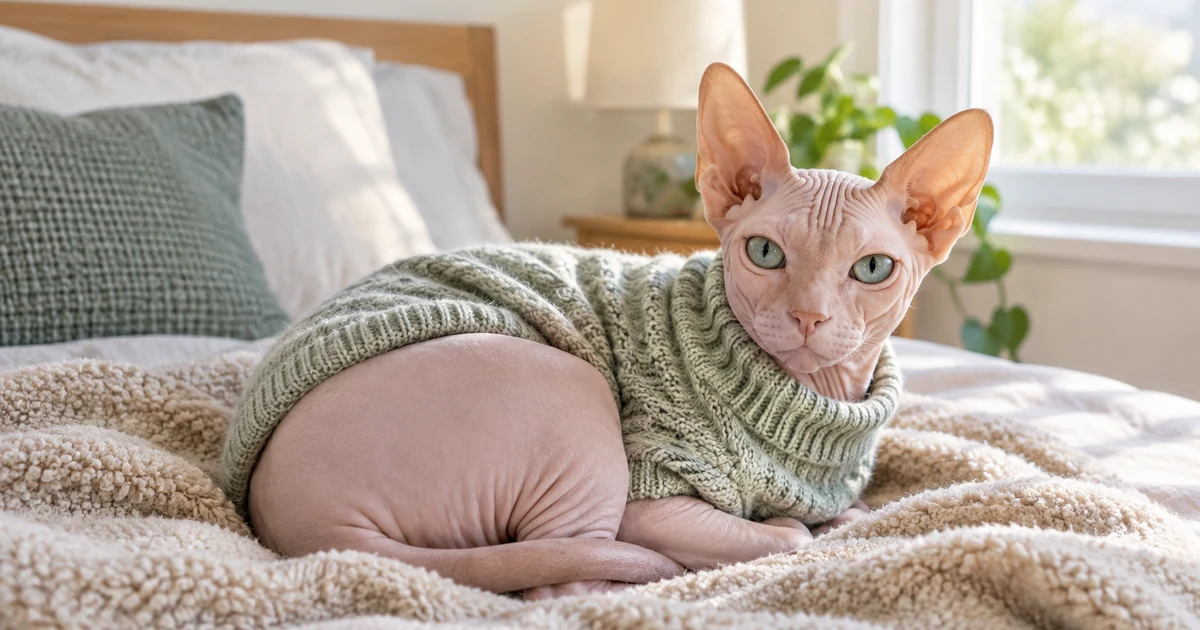
Sphynx Cat Price by Quality and Source
The biggest price driver is where the cat comes from and what it’s sold for. Most buyers get a pet-quality kitten on a spay/neuter contract, which is the best value for a companion cat.
| Source | Typical price | What you get |
|---|---|---|
| Shelter or breed rescue | $75–$500 | Usually an adult; vaccines, microchip and spay/neuter often included |
| Retired adult from a breeder | $500–$1,500 | An altered adult cat retired from a breeding or show program |
| Pet-quality kitten (registered breeder) | $2,000–$4,000 | Health-checked, socialized kitten with a health guarantee |
| Rare color, odd eyes or blue eyes | +$200–$1,000 | Some breeders add a premium for uncommon looks |
| Kitten with breeding rights | $4,000–$7,000+ | Full registration; usually only for established breeders |
| Show-quality kitten | $4,000–$10,000 | Top match to the breed standard, often from titled lines |
Prices vary a lot by region and cattery reputation. A “purebred” Sphynx listed well under $1,500 by a seller you can’t visit or video call is a common scam pattern.
Pet vs. breeding vs. show quality
Kittens of every grade can come from one litter. Pet-quality kittens may have small cosmetic differences from the standard, such as ear set or wrinkle pattern. Breeding rights and show quality cost more because the breeder is handing over a cat expected to produce or win.
Why good Sphynx breeders charge more
Sphynx litters tend to be small, kittens need a warm, clean environment, and responsible breeders pay for regular heart scans on their breeding cats. Ask for TICA or CFA registration papers, the parents’ most recent echocardiogram reports and a written health guarantee.
First-Year Cost of a Sphynx
A hairless cat costs more to keep than most breeds. It needs regular baths, ear cleaning and help staying warm, and it tends to eat more to maintain its body heat.
| Expense | First-year cost |
|---|---|
| Kitten (pet quality) | $2,000–$4,000 |
| Kitten vet visits, vaccines, deworming, microchip | $300–$700 |
| Spay/neuter (if not already done) | $150–$500 |
| Food, litter and bathing/ear-care supplies (12 months) | $600–$1,400 |
| Setup and warmth: heated bed, sweaters, blankets, carrier, litter box | $300–$700 |
| Pet insurance (optional, 12 months) | $300–$840 |
| Typical first-year total | about $3,200–$6,800 (around $4,800 for most owners) |
Many breeders include the first vaccines and a microchip in the kitten price, and some include the spay/neuter. Our guide to cat vet visit costs explains kitten vet bills in detail.
Extra Costs of a Hairless Cat
These are the line items that make a Sphynx more expensive to own than a typical cat, year after year.
| Extra cost | Why it’s needed | Typical yearly cost |
|---|---|---|
| Bathing and skin care | Skin oils build up without fur to absorb them, so most owners bathe weekly or every couple of weeks with a gentle cat shampoo | $120–$300 (with ear cleaner) |
| Ear cleaning | No ear hair means more visible wax buildup | Included above; vet visits extra |
| Clothing and warmth | Sweaters, a heated or self-warming bed, blankets; indoor-only cats still get chilly | $120–$360 |
| Higher food intake | A higher metabolism to stay warm means more calories | $240–$720 |
| Laundry and cleaning | Oily skin leaves marks on bedding and furniture | Varies |
Yearly Cost After the First Year
From year two, most Sphynx owners spend about $1,500 to $3,000 a year, or roughly $130 to $250 a month. Pet insurance and an illness can push that toward $3,900 or more.
- Food: $240–$720 a year.
- Litter: $240–$540 a year.
- Routine vet care: $400–$800 a year, including a wellness exam, vaccines and skin or ear checks.
- Skin, bath and ear care: $120–$300 a year.
- Warmth and clothing: $120–$360 a year.
See how that compares with an average cat in our cost of owning a cat guide.
Sphynx Health Issues and Their Costs
The Sphynx is a friendly, sturdy cat, but a few problems are well documented in the breed. Knowing them helps you budget and ask the breeder the right questions.
| Condition | What it is | Screening or care | Typical cost |
|---|---|---|---|
| Hypertrophic cardiomyopathy (HCM) | Thickening of the heart muscle; the Sphynx is one of the breeds most affected | Echocardiogram, usually by a veterinary cardiologist | $400–$800 per scan (about $550–$1,100 with consult) |
| Skin problems | Oily skin, blackheads and acne, sunburn, and urticaria pigmentosa (itchy, crusty spots) | Vet exam and skin tests if lesions appear | Sick visit plus tests; shampoos and prescribed care vary |
| Ear wax and infections | Wax builds up quickly in hairless ears | Regular cleaning at home; vet visit if red, smelly or itchy | Cleaner $10–$25; vet visit with ear cytology extra |
| Dental disease | Gum inflammation and periodontal disease are common in the breed | Yearly oral exam; home brushing | Cleaning about $550–$1,100; extractions add more |
| Congenital myasthenic syndrome (hereditary myopathy) | Inherited muscle weakness that shows up in young kittens | DNA test available through UC Davis VGL | Ask the breeder for parents’ results |
HCM screening in Sphynx cats
Unlike Ragdolls and Maine Coons, the Sphynx has no validated DNA test for HCM. A variant once linked to the disease was not associated with HCM in a 2024 New Zealand study, which found HCM in about 40% of the Sphynx cats examined. That’s why heart screening relies on echocardiograms. Good breeders scan breeding cats regularly, and some owners choose periodic scans for their pet as it ages, on their vet’s advice.
Dental care
Budget for a professional cleaning every year or two. Our cat teeth cleaning cost guide shows what’s included and what extractions add.
Could pet insurance cover a bill like this?
Accident & illness plans typically reimburse 70–90% of eligible vet costs after the deductible, if the condition is not pre-existing and the waiting period has passed. Premiums for dogs average about $62/month and for cats about $32/month (NAPHIA, 2025).
Coverage is subject to each policy’s terms, exclusions and state availability.Does Pet Insurance Cover a Sphynx’s Health Problems?
Pet insurance for a Sphynx typically costs about $25 to $70 a month, which is on the higher side for cats. Insurers price in the breed’s heart and skin risks.
- Accident-and-illness plans can cover heart disease, skin and ear infections, dental disease (on some plans) and diagnostics such as echocardiograms, subject to your deductible, reimbursement rate and annual limit.
- Pre-existing conditions are generally excluded, including skin or ear problems already noted in the kitten’s records.
- Waiting periods apply to illnesses, so enrolling a young kitten gives the widest coverage.
- Hereditary conditions like HCM are covered by many but not all plans. Read that clause carefully.
- Wellness add-ons help with routine exams and vaccines but don’t cover illness.
Coverage is always subject to the policy’s terms. Our guide is pet insurance worth it? helps you run the numbers.
When to Call the Vet Right Away
Contact your vet or an emergency vet right away if your Sphynx has fast or labored breathing at rest, open-mouth breathing, sudden weakness or dragging of the back legs, collapse, or shivering and feeling cold to the touch despite a warm room. Heart disease can stay hidden until it suddenly isn’t. For skin redness, head shaking or ear odor, book a regular vet visit soon.
How to Save Money on a Sphynx
- Consider adoption. Breed rescues and shelters sometimes have Sphynx cats for $75–$500, often adults already vaccinated and altered.
- Ask about retired adults. Breeders often place retired cats for far less than a kitten.
- Skip the premium for looks. Odd eyes or a rare color can add $200–$1,000 without changing health or temperament.
- Compare what’s included. Vaccines, microchip, spay/neuter and parents’ heart scans are worth more than a lower sticker price.
- Buy warm gear once. A self-warming or heated bed and a few washable sweaters last years.
- Keep a steady skin and ear routine. Regular bathing and ear cleaning at home can help avoid extra vet visits.
- Plan for big bills. Enroll in insurance early or keep an emergency fund; financing such as CareCredit or Scratchpay is available at many clinics.
- Soft cat sweater for hairless catsCheck price on Amazon
- Self-warming or heated cat bedCheck price on Amazon
- Gentle cat shampoo and ear cleanerCheck price on Amazon
How to Spot Sphynx Kitten Scams
Hairless kittens are a favorite of online scammers. Watch for these red flags:
- A “purebred” Sphynx offered far below $1,500.
- Payment by wire transfer, gift card or payment apps with no buyer protection.
- No live video call and no option to visit the cattery or meet a parent.
- Photos that show up on other sites in a reverse image search.
- Extra “shipping,” “crate” or “insurance” fees after you pay a deposit.
- No TICA or CFA papers, no heart-scan reports for the parents and no written contract.
Frequently Asked Questions
How much is a Sphynx kitten?
A pet-quality Sphynx kitten from a registered breeder usually costs $2,000 to $4,000, with about $2,900 being typical. Kittens with breeding rights run about $4,000 to $7,000, and show-quality kittens can reach $10,000.
How much is a hairless cat?
Most hairless cats sold in the US are Sphynx, and pet kittens from reputable breeders usually cost $2,000 to $4,000. Other hairless breeds are rarer and priced case by case. Rescue adoption fees are usually $75 to $500.
Why are Sphynx cats so expensive?
Sphynx litters are small, kittens need warm, clean conditions, and responsible breeders pay for regular heart scans on their breeding cats. Demand is high and supply is limited, which keeps prices up.
Are Sphynx cats expensive to take care of?
More than most cats. Beyond food, litter and routine vet care, expect about $120–$300 a year for bathing and ear-care supplies and $120–$360 for sweaters and a warm bed, for a typical total of $1,500 to $3,000 a year after the first year.
Is there a DNA test for HCM in Sphynx cats?
Not a validated one. Unlike the Ragdoll and Maine Coon tests, a variant once linked to Sphynx HCM was not associated with the disease in later research, so heart screening relies on echocardiograms. Ask the breeder for the parents’ recent echo reports.
- Petful — Sphynx Cat Price: Real Cost of a Hairless Cat
- Hepper — How Much Does a Sphynx Cat Cost?
- Think Sphynx Cattery — The Real Cost of a Sphynx Kitten
- Animals (MDPI) — Prevalence of HCM and ALMS1 Variant in Sphynx Cats in New Zealand (2024)
- Catster — Sphynx Cat Health Problems
- VetCostGuide — Cat Ultrasound and Echocardiogram Cost
Not veterinary advice. Prices are estimates for budgeting, not quotes. Ask your veterinarian for a written, itemized estimate. If your pet is injured, in pain or acting unwell, contact your vet or an emergency animal hospital right away.