Cat X-Ray Cost by Type of Study
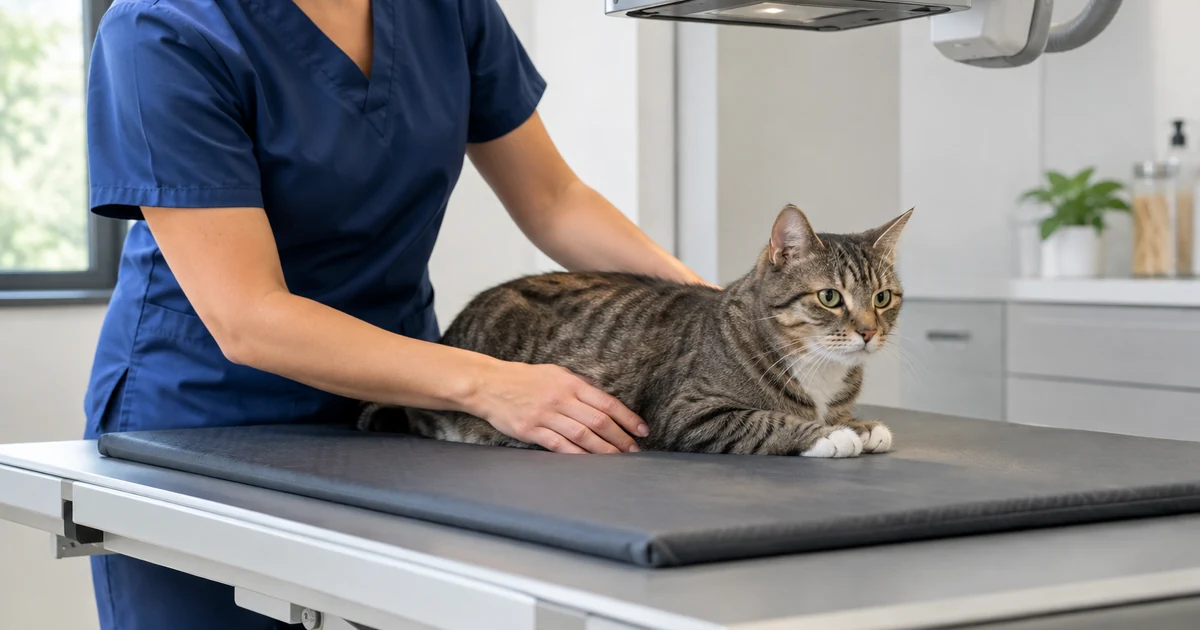
Vets bill radiographs per image, or “view,” so the number of views is the main driver. A limp might need one or two images of a leg, while a cat with breathing trouble usually gets a two- or three-view chest study. A cat that may have swallowed something often needs both chest and abdomen.
| Type of x-ray | General vet | Emergency / specialty hospital (est.) |
|---|---|---|
| Single view (1 image, e.g. a leg or paw) | $75–$150 | $120–$250 |
| Each additional view | $45–$100 | $75–$150 |
| Standard study, one area (2–3 views: chest or abdomen) | $125–$250 | $250–$500 |
| Chest + abdomen together (4–6 views) | $250–$450 | $400–$800 |
| Whole-body survey | $250–$350 | $400–$600 |
| Contrast study (barium series) | $200–$500 | $350–$800 |
| Full-mouth dental x-rays (under anesthesia) | $150–$350 | n/a (done at the dental visit) |
Most owners pay about $240 for a standard two- or three-view study at a general vet once the exam fee is added. Because cats are small, they rarely hit the size surcharges seen with large dogs, which is why cat x-rays tend to cost a little less than dog x-rays. Emergency figures are estimates based on ER pricing typically running 1.5 to 2 times general-practice rates.
What’s Included in the Price
An x-ray visit is rarely just the images. Ask for an itemized estimate so you can see each line before anything is done:
| Line item | Typical cost | Notes |
|---|---|---|
| Exam or consultation fee | $55–$110 | Emergency exam fees typically run $100–$250 |
| Radiographs | $75–$150 first view | Additional views usually cost less than the first |
| Sedation (if needed) | $50–$250 | More likely for painful, stressed or breathless cats |
| Pre-sedation bloodwork | $100–$200 | Often suggested for senior cats |
| Board-certified radiologist review | $75–$300 | Higher for rush (STAT) reads |
| Recheck x-rays | $100–$250 | For example, to follow bladder stones or a healing fracture |
Common Reasons Cats Need X-Rays (and Typical Bills)
The reason for the x-ray shapes the total bill far more than the x-ray itself. Here’s how imaging usually fits into some common situations. Totals are national estimates and vary widely with each cat’s needs.
| Situation | Imaging usually involved | X-ray portion | Typical total visit (est.) |
|---|---|---|---|
| Breathing trouble or cough (chest) | 2–3 chest views, sometimes with oxygen support | $150–$300 | $300–$800 at a general vet; more at an ER |
| Urinary blockage (usually male cats) | Abdominal views to look for stones or a blocked bladder | $150–$300 | $1,500–$3,500+ with catheter and hospital stay |
| Swallowed object or string (foreign body) | Abdominal views, sometimes a contrast series | $150–$500 | $800–$1,500 without surgery; much more if surgery is needed |
| Fall, car accident or limping | Leg, pelvis or chest views | $150–$400 | $400–$1,500 before fracture repair |
| Bladder stone follow-up | 1–2 abdominal views | $100–$250 | $150–$350 per recheck |
| Dental disease or tooth resorption | Full-mouth dental x-rays under anesthesia | $150–$350 | Included in a $550–$1,100 dental cleaning |
Urinary blockage
A blocked male cat is one of the most common feline emergencies. X-rays help your vet look for bladder stones and judge the bladder, and they’re usually only one part of an ER bill that includes bloodwork, sedation, a urinary catheter and one to three days in hospital. Cats with dissolvable stones may need repeat x-rays every few weeks until the stones are gone.
Swallowed objects and string
Cats often swallow string, ribbon, hair ties and tinsel. Many of these items don’t show up well on plain x-rays, so vets may look for indirect signs such as gas patterns, add a barium contrast study, or move on to ultrasound. That’s why a foreign body workup can cost more than a single x-ray quote suggests.
Chest x-rays
Chest views are commonly used when a cat has fast or labored breathing, coughing, or a suspected heart problem. A stressed, breathless cat may be stabilized in oxygen first, and the vet may take fewer views or use light sedation to keep the cat safe.
Dental X-Rays for Cats
Dental radiographs use a separate small-film or sensor system and are taken while your cat is under anesthesia for a dental cleaning. A full-mouth set usually takes several small images to see every tooth root.
Full-mouth dental x-rays typically add $150–$350 to a cleaning, and many clinics bundle them into the dental price. They matter more in cats than in many dogs, because tooth resorption, a common painful condition, often sits below the gumline and can’t be confirmed without them. When comparing quotes, check whether x-rays are included. See our cat teeth cleaning cost guide for full dental pricing.
What Affects the Cost of a Cat X-Ray
Number of views and body area
Each image is billed, so chest plus abdomen costs roughly twice a single-area study. Skull, spine and pelvis views need precise positioning and are more likely to need sedation.
Temperament and sedation
A relaxed cat can often be x-rayed awake. A frightened, painful or fractious cat may need sedation so the images are sharp and nobody gets scratched, which adds $50–$250 and sometimes bloodwork.
Clinic type
Nonprofit and low-cost clinics generally charge the least, general practices sit in the middle, and 24/7 emergency or specialty hospitals charge the most because of round-the-clock staffing and equipment.
Region
Clinics in large cities and high-cost states generally charge more than rural clinics for the same study. Published clinic prices show the spread:
| Region | Typical 2–3 view study (general vet, est.) |
|---|---|
| Rural areas and lower-cost states | $100–$200 |
| Suburban / Midwest and South | $125–$250 |
| Major cities, West Coast and Northeast | $185–$325 |
Use the region setting in the estimator above to adjust for where you live.
Radiologist review and follow-up
Many clinics send images to a board-certified veterinary radiologist, adding $75–$300. If the first images leave questions, your vet may suggest repeat views, a contrast study or a different type of imaging.
X-Ray vs Ultrasound vs CT for Cats
X-rays are usually the first and least expensive imaging test. Other tests cost more and show different things.
| Imaging | Typical cost | Often used for |
|---|---|---|
| X-ray (2–3 views) | $125–$250 | Chest, bones, bladder stones, some swallowed objects |
| Abdominal ultrasound | $300–$600 | Soft-tissue organs, string foreign bodies, masses |
| Echocardiogram (heart ultrasound) | $400–$800 | Heart structure and function |
| CT scan (with anesthesia) | $1,500–$2,500+ | Nasal disease, complex fractures, surgical planning |
Your vet will suggest the test that fits the situation, and x-rays and ultrasound are often used together.
Could pet insurance cover a bill like this?
Accident & illness plans typically reimburse 70–90% of eligible vet costs after the deductible, if the condition is not pre-existing and the waiting period has passed. Premiums for dogs average about $62/month and for cats about $32/month (NAPHIA, 2025).
Coverage is subject to each policy’s terms, exclusions and state availability.Does Pet Insurance Cover Cat X-Rays?
Most accident & illness policies cover diagnostic imaging, including x-rays, when it’s needed to diagnose or treat a covered accident or illness. You pay the vet, submit a claim, and are reimbursed a percentage of the bill after your deductible.
- Accident-only plans cover x-rays after an injury, such as a fall or a swallowed object, but not for illnesses like urinary or breathing problems.
- Waiting periods apply after enrollment, usually a few days for accidents and around two weeks for illnesses.
- Pre-existing conditions are generally excluded, including imaging for a problem that showed signs before coverage began. A cat with a past urinary blockage may find later urinary claims excluded.
- Wellness add-ons focus on routine care and generally aren’t designed for diagnostic imaging.
Some policies also exclude exam fees. Coverage is subject to each policy’s terms, exclusions and state availability. See whether pet insurance is worth it for the numbers behind the decision.
When a Cat Needs X-Rays Urgently
Only your vet can decide whether x-rays are needed. Contact your vet or an emergency hospital now if your cat:
- Is straining in the litter box and passing little or no urine, especially a male cat
- Is breathing with an open mouth, panting, or breathing fast while resting
- Fell from a height, was hit by a car or was attacked by an animal
- Has string or thread hanging from the mouth or rear (don’t pull it), or keeps vomiting
- Won’t put weight on a leg, or a limb looks swollen or out of place
- Has pale gums, collapses or seems suddenly very weak
An after-hours visit costs more than a scheduled one; our emergency vet cost guide explains typical ER bills.
Questions to Ask Your Vet
- How many views are planned, and what does each additional view cost?
- Will my cat need sedation, and is bloodwork required first?
- Is a radiologist review included, recommended or optional?
- If the x-rays don’t give an answer, what’s the likely next step and its cost?
- Can I get digital copies of the images for my records or a second opinion?
How to Save Money on Cat X-Rays
- Ask for an itemized estimate before imaging, including the number of views planned.
- Use your regular vet when it isn’t an emergency. A scheduled x-ray at a general practice usually costs far less than the same study at an ER, and a standard cat vet visit is the cheapest starting point.
- Check nonprofit clinics and veterinary schools, which may offer lower diagnostic fees.
- Keep your digital images so a specialist or second clinic doesn’t need to repeat them.
- Combine imaging with a planned anesthetic procedure, such as a dental cleaning, if your vet agrees it makes sense.
- Ask about payment options. Many clinics accept CareCredit or Scratchpay; our guide on how to pay for vet bills compares the options (check interest terms).
- Consider insurance before problems start, since imaging is only covered for conditions that begin after enrollment and waiting periods.
Learn more about how we estimate costs.
Frequently Asked Questions
How much is an x-ray for a cat?
A single view usually costs $75–$150, and a standard two- or three-view study of the chest or abdomen runs about $125–$250 at a general vet. With the exam fee, most owners pay around $240. Emergency hospitals typically charge 1.5 to 2 times more.
Do cats need to be sedated for x-rays?
Usually not. Each image takes only a few seconds, so many cats are x-rayed awake. Sedation is more likely for painful injuries, very stressed cats or views that need precise positioning, and it typically adds $50–$250.
How much do dental x-rays cost for a cat?
Full-mouth dental x-rays typically add $150–$350 to a dental cleaning and are taken under anesthesia. Many clinics include them in the dental price, so check what a quote covers before comparing clinics.
Can an x-ray show if my cat swallowed string?
Not always. String and fabric often don’t show clearly on plain x-rays, so vets may look for indirect signs, add a contrast study or use ultrasound. That’s why a foreign body workup can cost more than a single x-ray.
Why do cat x-rays cost less than dog x-rays?
Cats are small and similar in size, so clinics rarely add the large-patient surcharges or extra positioning help that big dogs need. The per-view price is otherwise similar, and emergency hospitals charge more for both.
Does pet insurance pay for cat x-rays?
Accident & illness policies usually reimburse x-rays needed to diagnose a covered accident or illness, after the deductible. Pre-existing conditions are excluded, and coverage is subject to each policy’s terms, exclusions and state availability.
Not veterinary advice. Prices are estimates for budgeting, not quotes. Ask your veterinarian for a written, itemized estimate. If your pet is injured, in pain or acting unwell, contact your vet or an emergency animal hospital right away.